“I had a vision – and I saw white spirits and black spirits engaged in battle, and the sun was darkened – the thunder rolled in the Heavens, and blood flowed in streams – and I heard a voice saying, ‘Such is your luck, such are you called to see, and let it come rough or smooth, you must surely bear it.” – Nat Turner
______________________________________________
By Carlos “Carlito” Rovira
Of the events in African American history that bourgeois historians and apologists of slavery tend to dread the most is the Nat Turner Rebellion. This monumental chapter in Black history occurred on August 21, 1831, at the Belmont Plantation in Southampton County, Virginia. Since then, Nat Turner’s name symbolizes defiance for Black people but for white privilege it continues to be a moment in history that torments the imagination.
White supremacy’s preferred narrative of that rebellion is to overemphasize the violence inflicted on the slave owning families. False interpretations of history aimed to project slavers as victims and insidiously criminalize the justified rage of Black people, both in the past and present.
The horrific acts of violence inflicted on white slave owning families by the rebellious enslaved people can best be characterized as the “chickens coming home to roost”. To understand why this slave revolt was one of the bloodiest in U.S. history it requires critical thinking to grasp the experiences African Americans endured under that system.
Great Britain perceived the Thirteen Colonies as their goose that laid golden eggs and valued them more than all its conquered territories throughout the globe. it was in the United States where the system of chattel slavery became most lucrative and why it was extremely brutal.
The rapid economic accumulation of wealth created from enslaved labor allowed the United States to develop into the giant capitalist bastion it is today. The enormous financial power that derived from the harshest circumstances of human suffering compelled the rulers to develop a set of ideas that served as their ideological justification for Black oppression — White supremacy.
African chattel slavery was most lucrative and brutal in the United States.
Despite the glorification of the “old South” by the mainstream Black people were subjected to extreme forms of degradation, beatings, castration, torture, murder, and the rape of women, men and children alike. Black families lived under constant fear of being separated. Without warning children, mothers and fathers were sold to other slave plantations. In addition, among the most shocking and heinous acts committed by slave owners as a sport and for punishing insubordinate slaves was having their children tossed into rivers to be killed by crocodiles.
The gall of bourgeois historians who dare to make false judgement while minimizing the crimes inflicted on Black people. The blame for the not-so-pleasant details of slave uprisings falls strictly on those who firmly preserved the cruelty that came with this system. Black people have historically been driven to use force as a means to end their suffering.
Sketch drawing of Nat Turner.
No uprising in history has ever been pretty. When a subjugated people realizes that struggle is the only path to freedom there are no guarantees that bloodshed will be absent from the equation. In addition, tyrants have always reserved the right to use violence, as a way to preserve their power. For oppressed people breaking away from the yoke of their plight has always been achieved by whatever means necessary.
Although Nat Turner was traumatized from abuses since childhood, he managed to develop strong leadership qualities which allowed him to serve as preacher among the enslaved. According to the supposed “confession” made after his capture, to a Southampton attorney Thomas Ruffin Gray, Turner stated that he had received a message from “God” commanding him to lead the slaves in an uprising.
Nat Turner and fellow enslaved prepare for rebellion.
On the evening of August 21, 1831, Turner led numerous slaves in an action which abruptly began the rebellion. They ran to the supply sheds to arm themselves with tools used for toiling the land. With weapons in hand the enslaved laborers proceeded throughout the plantation to bludgeon and stab to death the well-armed overseers.
The intensity of the revolt continued with Turner and his followers entering the hated resident mansion which symbolized the depth of their oppression. It was there where all members of the privileged White slave owning family were killed.
An artist’s depiction of Nat Turner’s Rebellion.
Days later, a state of panic widely consumed the White populace of Virginia and neighboring states, as the Black insurgents were hunted down like animals by bands of racist vigilantes. Unfortunately, by October 30th all the insurrectionists were captured and put on a showcase trial.
On November 11, 1831 Nat Turner and 56 of his followers were executed and about 200 non-participants of the revolt from neighboring plantations were beaten and tortured. The repressive decrees implemented throughout the South were intense and lasted until the end of the Civil War.
As if killing Nat Turner and his followers were not enough to satisfy the frenzied vindictiveness of slavers, the bodies of the martyrs were gruesomely chopped to pieces, burned and used to make oil and glue.
In the aftermath the white populace proved to be psychologically impacted. They became increasingly fearful of Black people. New repressive measures were instituted throughout the South with harsher laws that restricted the movement of the enslaved and free Blacks alike.
Artist depiction of Nat Turner being led to his execution.
Nat Turner contributed to the rising momentum of that period which popularized the use of armed force against the vile institution of slavery. By all accounts this rebellion inspired John Brown‘s attack on Harper’s Ferry in 1859, which triggered the momentous political storm that resulted in the Civil War of 1861-1865 and the overthrow of the slave-owning system.
The Attempt to destroy slavery by the slaves themselves is of the utmost significance. This event will continue to inspire today’s anti-racist struggles as we continue to grapple with the historical consequences of African chattel slavery in the modern era.
A plaque stands on the site of the rebellion in Belmont Plantation, Southhampton, Virginia.
Although the rebellion was suppressed, with the martyrs tortured and executed, this history continues to inspire struggle in the present period. The legacy of this slave revolt added to Black traditions that gave us Harriet Tubman, Frederick Douglas, Ida B. Wells, Marcus Garvey, the African Blood Brotherhood, Malcolm X, the Black Panther Party, and more recently, what transpired with the Black Lives Matter demonstrations.
History has given Nat Turner the noble title of revolutionary. A future revolutionary struggle in the United States will surely bring about a broad desire for erecting statues and monuments dedicated to the memory of Black freedom fighters like Nat Turner. Giving the highest tribute to men and women who fought for Black liberation will be part and parcel of realizing the demand for Reparations.
LONG LIVE THE MEMORY OF NAT TURNER, OCTOBER 2, 1800 – NOVEMBER 11, 1831
On September 12, 1891, in the municipality of Ponce, Puerto Rico, Dr. Pedro Albizu Campos was born. This iconic figure is highly regarded in Latin American history and revered as Puerto Rico’s leading symbol of the independence cause in the Twentieth Century.
Campos was raised by his aunt in a poor but humble family setting. His mother died due to illness when he was a very young child. And when he was only seven years old, on July 25, 1898, the United States militarily invaded Puerto Rico, an outcome of the Spanish-American War.
In the days leading up to the onslaught naval warships blockaded all commercial ports of the island nation. The young Pedro Albizu Campos experienced the panic caused by the U.S. Navy when they threaten to bomb the city of Ponce if the residents did not surrender. Witnessing firsthand the arrogance of foreign soldiers is likely why he held an everlasting contempt for U.S. colonialism.
During his formative years Campos was exceptionally gifted. Due to his academic skills he was put in an accelerated track in school. By 1912 he received a scholarship to study engineering at the University of Vermont. A year later, Campos applied and was accepted to Harvard University.
But with the outbreak of World War 1 in 1917 he joined the U.S. Army where he served as First-Lieutenant in the U.S. Army’s segregated All-Black units.
First Lieutenant Pedro Albizu Campos during World War I.
In 1919 Campos continued his studies. He achieved his law degree, as well as in Literature, Philosophy, Chemical Engineering, Military Science, and Language. Campos fluently spoke English, Spanish, German, French, Portuguese, Italian, Greek and classic Latin.
Campos was a genius, not by bourgeois and Euro-centric standards but because of his high level of humanity. His humility, and ability to reaffirm Puerto Rican anti-colonial traditions earned him the nickname “El Maestro” (The Teacher). The common folks greeted him by the name handle “Don” (Don Pedro) – a salutation of endearment and respect in Latino culture.
Dr. Pedro Albizu Campos during his studies at Harvard University.
Campos was the first Puerto Rican to attend Harvard University and graduate with the highest honors. Soon after finishing his education high paying employment offers were made to him, as Hispanic Representative in the Protestant Church, Legal Aide to the U.S. Supreme Court, the U.S. State Department and so on. But Campos declined. Instead, he chose to be a lawyer for the poor, many times defending clients unable to pay him.
Don Pedro adamantly condemned U.S. imperialism which earned him recognition by other contemporary revolutionary figures, most notably Ernesto Che Guevara, James Connolly, Marcus Garvey, to name a few.
Because he was influenced by the examples of Dr. Ramon Emeterio Betances, Pedro Albizu Campos became a revolutionary nationalist with an internationalist criterion.
In fact, Campos’s outspoken oratory against the “racist practices in the house of the empire” caught the attention of Pan-Africanist leader Marcus Garvey, who traveled to Puerto Rico to meet the renowned leader. Despite their differences in goals and tactics, this meeting was highly symbolic. The two leaders proceeded in their separate line of march but with the highest respect for each other.
Puerto Rican & Irish Solidarity
During his years at Harvard University Campos became involved in support work for the Irish Republican movement. Ireland was at a threshold in its historic liberation struggle against British colonialism. Campos’ admiration for the Irish cause served as his introduction to the ideals of revolutionary politics, which he eventually brought back to Puerto Rico.
Through his direct contact with representatives of Sein Fein in Boston and New York City, Don Pedro became good friends with James Connolly, The renown Irish socialist revolutionary and co-founder of the Irish Republican Army (IRA). Connolly was also instrumental in the emergence of the Industrial Workers of the World, (IWW) also known as “The Wobblies”.
Irish revolutionary leaders Éamon de Valera and Connolly asked Campos to contribute a written draft for what would become the Constitution of a free Irish Republic. The collaboration between revolutionaries from two oppressed nations — Boricua and Irish — is of paramount significance in history.
Pedro Albizu Campos assumes leadership
In the earliest days of U.S. colonialism, a movement capable of addressing the new circumstances did not exist. The Unionist Party was conveniently repudiating independence from its program in an opportunistic effort to appease the mainstream. After many internal conflicts, on September 17, 1922, the radical members broke away to form theNationalist Party.
Campos came to prominence in 1925 at a Nationalist rally held in San Juan. Colonial decree required all public events to display the American flag. To stay within the bounds of legality organizers decorated the railing around the stage with small U.S. flags.
One of my depictions of Dr. Pedro Albizu Campos, painted in July 2025. 20″ X 24″, acrylic paint on canvas.
As Don Pedro walked to the podium he calmly began to remove the U.S. flags, one by one, and tucked them in his pocket. He began his speech by saying “American flag, I will not salute you, if you symbolize a free and sovereignty nation, in Puerto Rico you represent piracy and pillage.”
Dr. Pedro Albizu Campos’ bold act shocked many in Puerto Rico and put into question the lack of militant energy in the Party’s leadership. The courage and charisma Campos demonstrated at this event is likely what propelled his ascendancy to the leadership. In 1927 he was elected Vice President and in 1930 he became President of the Nationalist Party.
Don Pedro was a man of his people.
In 1927 Campos traveled throughout Latin America and Caribbean on behalf of the Nationalist Party. His mission was to seek support for Puerto Rico’s independence. Revolutionary nationalist movements were rising up everywhere during that decade.
When Campos was elected President of the Nationalist Party in 1930 it sharpened existing internal contradictions. His more radical political views came into conflict with rivals who tended to be conciliatory towards U.S. colonial policy.
In addition, due to the history of African chattel slavery in Puerto Rico, white members of the Party became contemptuous to the idea of following the leadership of a Black figure. Racism and reaction to a revolutionary direction compelled conservative forces to leave the Party.
Despite these internal contradictions Don Pedro’s oratory skills, tenacity, defiance, and fearlessness earned him the highest level of moral authority in the independence movement and from all social stratums in Puerto Rican society.
Don Pedro speaking to the news media.
Once Dr. Pedro Albizu Campos assumed leadership the Nationalist Party was transformed. In 1932 the Cadets of the Republic were organized — a para-military youth component of 10,000 members with Nationalist Raimundo Diaz Pacheco as its commander. The uniform of the Cadets was black shirts and white pants. They strove to become a liberation army, following the model of the Irish Citizen Army (ICA) created by James Connolly.
Cadets of the Republic was the para-military component of the Nationalist Party.
Moreover, under Don Pedro’s leadership, an all-women component to the Party was also created. Among the heroines to rise up to prominence were Rosa Rosado, Blanca Canales, Lolita Lebron, Leonides Diaz, Carmen Maria Perez, Ruth Reynolds, Olga Isabel Viscal Garriga, among others. The Nationalist women traditionally played exceptional roles as leaders and combatants in Puerto Rico’s anti-colonial struggle.
Anti-colonialism intertwined with class struggle
U.S. colonial agencies began scrutinizing Campos and the Nationalist Party, especially after they gained influence among the striking sugarcane workers in 1934.
Labor strikes frequently occurred during this period. The influence Dr. Pedro Albizu Campos had on the victorious sugarcane workers heightened the prestige of the Nationalist Party among wider sectors of the Puerto Rican working class.
Worker’s unrest in the United States during the Great Depression caused enough havoc for U.S. rulers. And because Campos won the respect of the labor movement in Puerto Rico it compelled Washington officials to repress the Nationalist Party. A media campaign was launched to demonize Don Pedro and the independence cause. The mere sentiments of Puerto Rican nationalism posed a threat to U.S. capitalist interest.
Campos addressing the striking sugarcane workers, 1936.
Repression against Puerto Rican nationalism
FBI agents and the colonial police arrested, brutalized, and murdered Nationalists. On October 24, 1935 students at the University of Puerto Rico (UPR) were killed by police for merely raising the Puerto Rican flag. In 1936 Don Pedro was imprisoned to ten years supposedly for Conspiring to overthrow the Government. In 1938 the Nationalist Party was banned by decree.
Dr. Pedro Albizu Campos was praised by many, one of whom was the socialist U.S. CongressmanVito Marcantonio. Marcantonio was a staunch supporter of the Puerto Rican independence struggle and served as Campos’ attorney.
Don Pedro being arrested in 1936.
The following year on March 21, 1937, on a Sunday morning, in the city of Ponce, hundreds of people – women, children and men — gathered at the town plaza, in a peaceful demonstration to demand the release of Don Pedro. Once the gathering began to march the police carried out the unthinkable — they opened fire with rifles and Thompson submachine guns. The casualties were 21 people killed and 235 wounded. It became known in history as the Ponce Massacre.
U.S. rulers feared the moral authority Dr. Pedro Albizu Campos governed as well as his tenacity and valor. The colonizers were well aware of the legitimacy the Nationalist Party had in the hearts and minds of the people.
The “Gag Law” & defending Boricua dignity
After Don Pedro returned to Puerto Rico from a 10 year prison sentence his resolve proved to be untouched. From a San Juan based radio show Campos conveyed his anti-imperialist views to a listening audience. He also used this media to condemn the secret genocidal activities of Cornelius P. Rhoads, who was later discovered to be the mastermind behind thesecret sterilizations of Puerto Rican women.
Washington officials sought ways to impose harsh decrees to minimize the threat posed by growing sentiments favoring independence. On June 10, 1948,Law 53 of 1948, better known as the Gag Law (Spanish: Ley de La Mordaza), was enacted by the U.S. installed San Juan colonial government in a blatant attempt to silence the pro-independence movement.
The Gag Law was filled with many outrageous draconian measures, such as forbidding the mere mention of independence in literature, billboards, music, and public speech. The decree also made it illegal to possess and display the Puerto Rican flag. This law created favorable conditions for repression.
While the notorious Senator Joseph McCarthy carried out his anti-communist witch hunt in the United States, the ugliest forms of repression were seen in Puerto Rico. Advocates of independence were blacklisted, denied employment, jailed, or were systematically shot in open daylight.
From this point on advocating independence was considered a risk to one’s life. The persecution against the Nationalists was identical to what was inflicted on the Black Panther Party with the FBI’s Operation: COINTELPRO.
In 1950 Nationalist Party intelligence operatives discovered a secret plan to destroy the movement. Don Pedro was then compelled to make a general call to arms in order to strike the first blow. In response to his directive, Nationalists attacked colonial authorities in cities throughout Puerto Rico.
In San Juan, the headquarters of the Nationalist Party was attacked by police. Campos, Isabel Rosado and others undertook an armed battle until they were overwhelmed by tear gas.
On the morning of October 30, 1950, a young woman named Blanca Canales led one of the boldest actions in Puerto Rican revolutionary history. An armed contingency entered the township of Jayuya in the central region. The Nationalists forced the police to surrender, after a gun battle which lasted an hour. Blanca Canales then gave the command to burn the police headquarters to the ground. This event is remembered as the Jayuya Uprising.
Blanca Canales was leader of the Nationalist Jayuya uprising..
On November 1, 1950 Nationalists Oscar Collazo and Griselio Torresola attempted the assignation of President Harry Truman. Torresola was killed and Collazo was critically wounded in a shootout with the Secret Service and Capital Police.
Oscar Collazo after his conviction.
Adding insult to injury when the question of Puerto Rico was first proposed for discussion before the United Nations Organization in 1952 the U.S. immediately blocked the effort. Washington officials claimed that Puerto Rico was an “internal matter of the United States”. Justifiably, the imperial arrogance of the U.S. only stiffened the resolve of Nationalists living in New York City.
On March 1, 1954, Nationalists Lolita Lebron, Rafael Cancel Miranda, Irving Flores and Andres Figueroa Corderoentered the House of Representatives while proceedings were taking place. Lolita Lebrón shouted, “Que viva Puerto Rico libre!” The freedom fighters then aimed their weapons and opened fire on the U.S. Congress.
Puerto Rican Nationalists attacked the House of Representatives on March 1, 1954.
What followed was brutal suppression of the entire independence movement. Many Nationalists were randomly imprisoned throughout the 1950’s. Anyone with pro-independence inclination was deemed terrorist; civil liberties for Puerto Ricans were virtually non-existent. The prevailing state of fear and intimidation overshadowed colonialism’s tightening economic grip. The Draconian measures of the 1948 Gag Law continues to have a psychological imprint in Puerto Rico to this day.
At his 19th year of imprisonment, Dr. Pedro Albizu Campos was pardoned, on November 15, 1964, by the notorious Luis Munoz Marin — the U.S. approved Governor and greatest traitor in Twentieth Century Puerto Rican history. Don Pedro’s release was a political maneuver by the U.S. colonizers to disguise the heinous acts committed against the Nationalist Party.
Despite U.S. government denials evidence showed that Dr. Pedro Albizu Campos was tortured with radiation experiments during his incarceration. What was obvious to the naked eye corroborated with findings made by independent medical experts. When Campos was released from prison the physical condition of his body served as indisputable testimony of this heinous crime.
On April 21, 1965, the beloved Don Pedro died at 73 years old. In the final analysis, Dr. Pedro Albizu Campos was murdered by the U.S. colonizers through a gradual not-so-hidden process.
Medical evidence proved that Dr. Pedro Albizu Campos was tortured with radiation during his imprisonment.
The Legacy
Although Dr. Pedro Albizu Campos came short of realizing his quest for an independent Puerto Rican republic, he succeeded in revitalizing Boricua revolutionary traditions. He also reaffirmed the self-identity of the Puerto Rican people, which the U.S. colonizers attempted to destroy. In short, Don Pedro left us with a new disposition for our people to utilize in future struggles. That in itself will continue to pose a threat to the U.S. rulers.
His repeated motto “The homeland is valor and sacrifice” describes what he knew the Puerto Rican people are destined to carry out.
El Maestro firmly believed that freedom cannot come about by blindly following posturing political figures or partaking in meaningless elections. Campos was critical of political deceptions designed to corrupt and derail the national liberation struggle.
Dr. Pedro Albizu Campos knew quite well that his mission in life was to set a revolutionary example — the rest was up to future generations; it is the youth who are destined to smash U.S. colonialism in Puerto Rico and make the Boricua contribution to the global defeat of U.S. Imperialism.
The colonization of Puerto Rico began as a consequence of the Spanish-American War in 1898. Cuba, Guam, the Philippines and Puerto Rico were deemed as “spoils of war” — the result of Spain’s surrender to the United States. Puerto Rico was then colonized by a new tyrant. The island nation soon after became a staging ground for U.S. military ventures throughout the Caribbean and all of Latin America; a practice that continues to this day.
Throughout the history of the U.S. colonial presence in Puerto Rico outspoken advocates for independence have been the targets of Draconian measures. Members of the Nationalist Party lived under the constant threat of being blacklisted from employment, their homes firebombed, imprisonment, torture and being killed by various repressive agencies.
U.S. colonial policy in Puerto Rico has always been administered with complete disregard for the wishes of the Puerto Rican people. It was precisely this disposition by the colonial rulers which brought about one of the most horrifying events in Puerto Rico’s history.
The Ponce Massacre
In the city of Ponce, a peaceful demonstration was being planned for March 21, 1937. It was intended to commemorate the 1873 abolition of African chattel slavery in Puerto Rico and to demand the immediate release of imprisoned Nationalist leader Dr. Pedro Albizu Campos.
Dr. Pedro Albizu Campos during his studies at Harvard University.
Although permits were not required the organizers requested permission to have the event out of respect for the sympathetic mayor of Ponce. The organizers were granted a legal permit to proceed with their plans.
The notorious U.S. Army General Blanton Winship was appointed colonial governor by U.S. President Franklin D. Roosevelt. Despite the “progressive” and “liberal” projections made by bourgeois historians and apologists, Roosevelt was just as brutal as any colonizing head of state acting with impunity. Boricuas suffered tremendously under the FDR administration and Gen. Blanton Winship’s racist implementation of colonial policy.
Outright brutality through military rule was the preferred form of administering colonialism. Winship tried everything possible to stop the scheduled nationalist event, including using blatant gangster-type methods aimed to intimidate.
In this period of intense repression, the U.S. government, through Winship, sought to stamp out all nationalist sentiments and the self-identity of the colonized nation — especially its quest for independence and self-determination.
On that Palm Sunday morning, hundreds of people – women, children and men – gathered at the town plaza, in defiance of the colonial government’s wishes. Among those who assembled were women dressed in all white who gathered as Nurses of the Republic; the mostly youth comprised Cadets of the Republic — the para-military wing of the Nationalist Party was present in uniform, black shirts and white pants; church congregations and community residents attended to form their contingents.
Re-enacting the Ponce Massacre.
A Nationalist color guard in military formation unveiled the Puerto Rican flag, outlawed by the U.S. colonial government. With clenched fists in the air, the crowd began to proudly sing “La Borinqueña” — the original (revolutionary) version of the Puerto Rican national anthem, written by Lola Rodriguez De Tio.
At this point, the police had sealed off the area where the Nationalist protest was gathering. With grenades, tear-gas bombs, carbine rifles and Tommy sub-machine guns, under the directions of Blanton Winship the police prepared for the bloody onslaught.
Once the crowd began to march, knowing that the mostly young participants were unarmed, the police did the unimaginable — they opened fire.
Photo of the actual moment when the Ponce Massacre began..
The barrage lasted about 13 minutes. The participants which included the elderly and children, helplessly attempted to escape the unexpected horror. People desperately ran to save their lives from bullets flying everywhere. They screamed terrified as they witnessed the chaos and blood splattering bodies of compatriots who fell to the ground from gunshots wounds.
One police officer of Puerto Rican origin, who was sympathetic with the Nationalist cause for independence, was shot in the back and killed by his commanding officer for refusing to participate in the mayhem against the unarmed crowd.
When the shooting ended, 21 people had been killed and over 200 were critically wounded. The American Civil Liberties Unioninvestigated the tragedy. It was concluded by forensic inquiry that those who died were shot in the back. The event brought sadness and shock throughout Puerto Rico. The funeral procession for the martyrs was one of the largest in the country’s history — about 20,000 people attended.
Victims of the Ponce Massacre.
The cruelty of the Ponce Massacre sheds light on many other heinous acts committed by the U.S. in Puerto Rico. Destruction, death, plunder and rape are the trademarks of colonialism. U.S. rulers perceive Puerto Ricans as expendable; let us not forget how modern times Washington officials allowed 4,746 Puerto Ricans to die from neglect, following the devastation of Hurricane Maria.
“It was love for the freedom of our homeland — Puerto Rico,” Nationalist iconic figure Doña Isabel Rosado once said, “that gave strength to the martyrs of Ponce. Nothing in this world is more powerful than this emotion — not even the guns of the colonial assassins.”
A Nationalist laying on the pavement after being killed by the colonial police.
And it is precisely this emotion that worries U.S. colonialism even to this day — an emotion that will prove fatal to them when the Puerto Rican masses eventually rise up to avenge the Ponce Massacre.
Changing the form of colonial rule
The nationalist movement that rose up in the first half of the 20th Century compelled the U.S. colonizers to change their methods of subjugating the people of Puerto Rico. Long after the Ponce Massacre, decades later into the present day, the U.S. colonizers became more sophisticated in their methods of domination.
By 1952, Washington, DC allowed some semblances of “democracy,” in an attempt to fool the people of Puerto Rico with illusions of self-determination and to disguise the exploitative nature of the colonial relationship before the eyes of the world.
A depiction of the Ponce Massacre by artist Pedro Brull.
The U.S. colonizers developed such a confidence in their new tactics of colonizing that they became willing to allow individuals of Puerto Rican origin, like the notorious Luis Muñoz Marin, to serve on the highest levels of government years later, such as in the U.S. House of Representative and the Federal Supreme Court.
The rulers have no problem granting Puerto Ricans visibility — what they have problems with is granting Puerto Ricans political power, that is, the right to independence. And because freedom is never granted from the “goodness” of an oppressor, it will require a revolutionary mass movement to obtain it.
The U.S. empire is more vulnerable than what most people realize. It has brought on itself enemies in every part of the globe. We should feel assured that Boricuas will rise up in rebellion and win the historical struggle for independence. On that glorious future moment Puerto Ricans will make their contribution to the worldwide defeat of U.S. imperialism.
Arturo Alfonso Schomburg was born on January 24, 1874 in Santurce, Puerto Rico. He was a Black Puerto Rican scholar, historian, author and activist, who devoted his entire life to compiling vast collections of writings and art documenting significant events in Black history.
When Schomburg was just 8 years old he was told by a school teacher that Black people had no history. This assertion naturally bothered him for a long time. But as he gradually grew older, Schomburg found the teacher’s claim to make absolutely no sense. That encounter became Schomburg’s motivation which led him to set out and prove wrong such racist notions.
African chattel slavery also took place in Puerto Rico, it was the consequence of Spanish colonialism in both Africa and Latin America. In the year 1527, the first of many slave revolts in Puerto Ricooccurred which was among the bloodiest in Western Hemisphere history.
Despite the numerous contributions Schomburg made to the preservation of Black-Latino history, like many other Black scholars and professionals in different fields, he was not immune to anti-Black discrimination. Throughout his entire life, Schomburg experienced blatant racism, sadly within the Puerto Rican community as well.
Colorism, as an extension of white supremacy, often permeated conversations about “Los prietos” (the dark ones), “Pelo bueno y pelo malo” (good hair and bad hair), and so on. As in the United States, the not-so-hidden practices of racism has also existed in Puerto Rico and all of Latin America, like the widely known anti-Black, anti-Haitian “legal” practices of the Dominican Republic.
Arturo Schomburg was instrumental in documenting the role of African people in the cultural development of the Puerto Rican nation. The psychic, spirituality, linguistics, diet, music and dance of Puerto Rico pointed to the contributions made by Africans. Schomburg proudly identified as an Afroborinqueño (Afro-Puerto Rican).
Harlem Renaissance & Puerto Rico’s independence struggle
Schomburg became known during the famous Harlem Renaissance. He collaborated with prominent figures like Marcus Garvey, Carlos A. Cook, Hurbert Harrison, Langston Hughes, Alain Leroy Locke, W.E.B. Du Boisand other pillars of that movement. It was an exciting and enlightening period in history for the African diaspora, following the struggles to end the horrors of slavery. Harlem was viewed as the political and cultural Mecca of the African American people.
The Harlem Renaissance, which unveiled the beauty of African culture also shattered many racist myths. This movement resulted from Marcus Garvey’s call for Black people to be profound with their identity in all areas of dignified expression. It succeeded in challenging the ideological facets of white supremacy through the literary, visual and performing arts.
Marcus Garvey, Arthur Schomburg and other mourners at the grave of John E. Bruce
Thanks to the powerful momentum inspired by Marcus Garvey and the Universal Negro Improvement Association and African Communities League (UNIA-ACL) Black people now had relative freedom to develop culturally, economically and politically in the surroundings of a white racist society. This was the setting in which Arturo Schomburg was able to make his contributions to Black history.
Arturo Alfonso Schomburg in New York City, 1932.
Before moving to New York City, at 17 years old, Schomburg was a leader in the secret Revolutionary Committee of Puerto Rico. This organization was created several years before Schomburg’s birth for launching the 1868 anti-slavery & pro-independence revolt known as El Grito De Lares. Although the attempt to rid Spanish colonialism failed, the Revolutionary Committee continued to exist clandestinely.
Schomburg was a firm advocate for Puerto Rico’s independence. In fact, he was the founder of Las Dos Alas (in English The Two Wings), an organization in New York City devoted to the independence cause of Puerto Rico and Cuba.
In 1895, Schomburg partook in a secret meeting held at New York City’s Chimney Corner Hall to discuss and approve by vote a proposed design for what became the official Puerto Rican Flag of today. The attendees of this meeting were mostly political fugitives being sought by the Spanish colonial authorities. Most of them became affiliated with the Cuban Revolutionary Party under the leadership of the legendary Jose Marti.
Schomburg’s shift in central focus
But as the 19th Century came to a close with the U.S. military occupation of both Cuba and Puerto Rico, caused the independence movement in both countries to enter a period of stagnation. The anti-colonial struggle was temporarily paralyzed due to many people believing the overtures of U.S. invaders who promised to grant independence. As a result, Schomburg and other like-minded activists who resided outside of Cuba and Puerto Rico, began to re-vise their activities based on the change in the climate of imperialism.
As the persecution of Black people in the United States intensified, with the extension of Jim Crow laws, lynching and white racist riots presenting a dangerous and menacing setting, coupled by Schomburg’s childhood memory of a demeaning comment made to him by a school teacher, raised his commitment to the idea of affirming the validity and truth of Black history.
Ridiculing the racist fables about the origins and history of Black people became Schomburg’s central focus. His noble quest eventually proved the extent of white supremacy’s corruption and baseless reasoning for existing.
Once in New York City, and for the remainder of his life, Schomburg collected large amounts of materials relevant to the history of Africa and the African diaspora. His work unavoidably brought to light the falsehood of white historians who interpreted the history of human social development strictly from a European perspective, thus concealing what are the African people’s pivotal role in that process.
Although Arturo Schomburg never proclaimed to be a revolutionary, his academic achievements coupled with such fervent passion to preserve and protect the historic culture of the Diaspora shows otherwise. Long after his death, Schomburg’s accomplishments continue to shatter racist myths.
A 24″ X 30″ canvas portrait I made of Arturo Alfonso Schomberg.
His devotion to raise Black history to its rightful grandeur contributed immensely to the ideological struggle against white supremacy, thus, adding to the majestic qualities of Black nationalism.
Moreover, Schomburg was a consistent leader of debunking the dangerous narratives of racial superiority that ushered in social Darwinism and Eugenics. These world perspectives were often used by capitalists to politically hinder and divide working class people.
Schomburg Center for Research in Black Culture — Harlem, New York City
The vast and beautiful collection of literature and art materials he compiled throughout his life are permanently housed at the New York Public Library’s Schomburg Center For Research of Black Culture, located at 515 Malcolm X Blvd, in Harlem, NYC.
Arturo Afonso Schomburg shall be remembered for his bold intellectual defiance and as a hero of the oppressed. His lifelong contributions have strengthened the legitimacy of Puerto Rico’s independence cause as well as the historical struggle for Black liberation. Schomburg’s’ life embodied the epitome of Black & Puerto Rican solidarity.
“Imperialism is a system of exploitation that occurs not only in the brutal form of those who come with guns to conquer territory. Imperialism often occurs in more subtle forms, a loan, food aid, blackmail. We are fighting this system that allows a handful of men on Earth to rule all of humanity.” ― Thomas Sankara
Thomas Sankara is one of Africa’s greatest iconic figures who continues to inspire millions throughout the world and is remembered as an example of resistance. This revolutionary lived from December 21, 1949, until his assassination on October 15, 1987. He lived to fight for a free Burkina Faso from the viciousness of colonial rule.
Sankara became President of Burkina Faso on August 4, 1983, at 33 years old, following a popular uprising in the country that overthrew the corrupt and brutal regime of Major Jean-Baptiste Ouédraogo, who maintained questionable ties with the former French colonizers of the country.
Thomas Sankara speaking at the United Nations General Assembly on October 4, 1984,
At the Berlin Conference of 1884-1885, imperialist European powers divided Africa exclusively among themselves without the presence of African people. French colonialism named a region they appropriated the “Upper Volta.” After Sankara led a successful liberation struggle and he became head of state, by decree the country was given the name Burkina Faso.
In the short period of four years of his presidency, Sankara surprised many by transforming the country in a positive direction on a socialist basis. The social, economic and cultural reality of his people were introduced to groundbreaking measures unseen in their history.
For the first time a government existed that prioritized transforming the infrastructure by constructing roads, railways, building waterways, schools, medical clinics, pharmacies, and housing. Sankara also aimed to eradicate illiteracy by launching a campaign throughout Burkina Faso as an essential part of his Socialist economic goals.
Standing on the left side of Thomas Sankara is South Africa’s iconic singer Miriam Makeba, in a photo op with other outspoken African women.
Sankara supported the struggle for women’s equality. Laws were enacted aimed to advance the position of women in the country. The new decrees outlawed young women being forced into pre-arraigned marriages, banning female genital mutilation (FMG) “customs”, polygamy practices, as well as other backward tribal traditions that perpetuate women’s oppression.
Despite the disapproval of those who sought to preserve patriarchal dominance, by government decree it was mandated that every female receive a free education as well as be given the opportunity to prove their ability for appointment to decision-making government posts, even if pregnant. Sankara was the first African leader to appoint women for the highest government cabinet positions and recruit into the ranks of the country’s military.
To the displeasure of imperialist exploiters of Africa, foreign-owned enterprises were nationalized by revolutionary decree. Although private ownership of industries was not fully eliminated Burkina Faso did undergo a complete break with foreign control of its vital natural resources, thus allowing the country the freedom to develop economically.
My portrait of Thomas Sankara. 20″ X 24″, acrylic paint on canvas.
Sankara’s dream was to transform the country by making it self-sufficient. Without hesitation, he adamantly refused loan offers made by the International Monetary Fund (IMF) and World Bank (WB) knowing the manipulative schemes they use to keep poor countries in debt and subjugated on behalf of leading imperialist powers.
The economic infrastructure of Burkina Faso was deliberately kept backward, and its people remained downtrodden for decades due to France’s extreme colonial plunder of the country since 1896.
Under Sankara’s leadership the government established land reforms that benefited the poorest landless peasants of the country. He collectivized agriculture and industries following the model of the Cuban Revolution. Every effort was made to involve the broadest number of the population in an endeavor aimed to achieve economic self-reliance thus safeguarding the people’s right to self-determination from imperialist predators.
In September 1984, Cuban President Fidel Castro Ruz awarded Thomas Sankara with the Order of Jose Marti for his role in the liberation struggle of his people and upholding internationalist solidarity.
But as Burkina Faso intensified its nationalization process of land and mineral wealth French and U.S. officials at the highest level began sensing a threat to their strategic interest in the region, especially after Sankara called for a series of social, ecological, and economic reforms of socialist content.
Imperialism’s contempt of Burkina Faso’s revolutionary leadership intensified when Sankara’s relationship with Cuba and the Soviet Union became official, at the height of the “Cold War.” The two socialist states provided Burkina Faso with military advisers and training, weapons, technical and agricultural equipment, medical supplies, education and so on, despite Sankara’s open criticisms of the Soviet occupation in Afghanistan.
Sankara was first introduced to the writings of Karl Marxand Vladamir Lenin in the early 1970s while undergoing officer training in Madagascar. He was able to advance the legitimacy of Marxism-Leninism and Pan-Africanism by combining the principles of the two revolutionary doctrines, which have historically been complimentary. And when the intelligence agencies of imperialism observed with alarm how a Socialist like Sankara sought ways to unite Pan-Africanists on the continent and beyond, they launched an aggressive campaign to undermine and ultimately overthrow his government.
Sadly, in a blatant example of betrayal, on October 15, 1987, Thomas Sankara was assassinated as part of a coup d’état led by Blaise Compaoré, a close ally, friend, and key partner in the 1983 revolution that overthrew Jean-Baptiste Ouédraogo. A unit of Compaoré’s rogue forces systematically killed Sankara and 12 members of his cabinet while they were having an official meeting. Compaoré served as Minister of State and Minister of Justice, essentially the second-in-command.
Compaoré was against Sankara’s radical Pan-Africanist and Marxist-Leninist views. He was opposed to the socialist path the country was on and preferred that the government institute pro-Western policies. Compaoré was also hostile to the developing relationship Burkina Faso had with Cuba and the Soviet Union. What at first appeared as mere differences eventually evolved to open antagonism.
As if Compaore’s actions were not sinister enough, he pronounced himself President of the country immediately after Sankara’s assassination. The chronology of events leading up to Sankara’s death indisputably demonstrate that Compaoré was a mole of Burkina Faso’s former colonizers.
Although concrete evidence of U.S. and French involvement in Sankara’s assassination doesn’t exist it would be extremely naive to overlook their history of subversion against governments unfavorable to the strategic interests of imperialist states. The U.S. Central Intelligence Agency (CIA) and France’s Direction générale de la sécurité extérieure (DGSE) were created specifically to carry out the necessary secret work for preserving their respective empires.
Hopefully, the emergence of Captain Ibrahim Toare as President of Burkina Faso today shall serve the ongoing resistance to imperialism of that country and inspire revolution in the entire African continent. Weakening and ultimately removing imperialism’s stranglehold is the only true act that will bring about justice for the assassination of Sankara and other African warriors.
Thomas Sankara shall forever be remembered as a Pan-Africanist because he sincerely loved his people. And he will also be remembered as a Socialist because he wanted what he strongly believed was best for his people. His legacy is part of traditions long established by many seeking ways to free Africa and inspire future generations of revolutionaries to be like Chris Hani, Amilcar Cabral, Patrice Lumumba, Steve Biko, Kwame Nkrumah, Nelson Mandela, and so many others.
Long Live the Revolutionary Legacy of Thomas Sankara!
Julio Pinto Gandia was someone whom I remember during my childhood visiting our family home on the Lower East Side, New York City. I knew him as Don Pinto. My parents and other family members were affiliated with a secret committee of the Nationalist Party of Puerto Rico that operated in New York City, of which Don Pinto was leader.
Born in Manati, Puerto Rico on July 9, 1908, Gandia was one of the most outspoken advocates for the independence of Puerto Rico from U.S. colonialism throughout most of his life. He became a close and trusted confidant of the iconic Nationalist leader Dr. Pedro Albizu Campos and became known as his “right-hand man.”
Pedro Albizu Campos, Gilberto Concepción de Gracia and lawyer Julio Pinto Gandía, in the San Juan courthouse, Puerto Rico (1936)
When Campos was incarcerated in the 1930s for seditious conspiracy to overthrow the U.S. government in Puerto Rico, Gandia was asked to fill in as Interim President of the Nationalist Party.
And because Don Pinto Gandia was a legal attorney himself he worked closely with the Socialist Congressman Vito Marcantonio who represented New York’s East Harlem community. They both collaborated for several years to fight for Campos’ release from prison while using his legal case to expose the criminality of U.S. colonialism in Puerto Rico.
My portrait of Don Julio Pinto Gandia. 20″ X 24″, acrylic paint on canvas.
But Gandia was himself under the watchful eye of the Federal Bureau of Investigation (FBI), especially during the repressive McCarthy Era (1947-1957) of which in Puerto Rico it was more fascistic. He was constantly arrested by the FBI and other colonial authorities. And to interfere with his livelihood and cause further personal harm, in 1937 Gandia was disbarred from the practice of law in Puerto Rico.
Gandia was also accused of being the “mastermind” of the March 1, 1954, Nationalist armed attack on the U.S. House of Representatives. Lolita Lebron, Rafael Cancel Miranda, Irvin Flores Rodriguez, and Andres Figueroa Cordero staged that daring act to bring attention to the plight of the Puerto Rican people. From that point on Gandia was frequently arrested for questioning.
His refusal to answer questions by FBI and court judges about the attack on the U.S. Congress usually landed Gandia jail time for contempt of court. His stubbornness and complete loyalty to the Puerto Rican cause was recognized by his comrades and enemies of the independence movement alike.
In many of his conversations with Dr. Pedro Albizu Campos, Don Pinto Gandia raised the importance of aggressively bringing the case of Puerto Rico before the United Nations. Pinto Gandia was then assigned the task of meeting with delegates of countries belonging to the United Nations Special Committee on Decolonization to discuss Puerto Rico’s status.
Gandia’s skillful diplomatic work paid off when in 1978 the U.N. Special Committee officially declared Puerto Rico an occupied colony, despite infuriating outbursts made by U.S. delegates and the mainstream mass media. Washington officials reacted by launching a campaign that falsely showcased Puerto Rico as a success story of U.S. imperialism in Latin America.
However, two years prior to the political embarrassment the U.S. Government faced at the United Nations, in September 1976, after leaving his apartment in Puerto Rico, Julio Pinto Gandia vanished forever without a trace.
Don Julio Pinto Gandia in FBI custody.
Considering that Operation COINTELPRO was taking place with the Puerto Rican independence movement as one of its main targets, it is believed by many that the U.S. government was directly responsible for Gandia’s disappearance. The work this revolutionary was perceived as a threat to U.S. interest in its highly valued colonial possession.
Although we will never know what tragedy occurred to Julio Pinto Gandia his legacy has secured a special place in the archives of that historic liberation struggle. His resilience, sacrifice, and courageousness, under the most difficult circumstances reflect the moral strengths of the Puerto Rican people.
Vietnam’s General Võ Nguyên Giáp is one of the most outstanding revolutionary figures in history to provide military leadership in modern times. Thanks to Giáp’s superior strategy, poor village peasants were transformed into a formidable guerilla army called the Viet Minh which became the People’s Army of Vietnam (PAVN). Against often seemingly insurmountable odds, the PAVN went on to defeat two imperialist powers, France in 1954 and the United States in 1975.
The young Võ Nguyên Giáp and Ho Chi Minh.
General Giáp was a most trusted confidant of the iconic Vietnamese leader Ho Chi Minh. Giáp was a firm believer that doing the impossible was not impossible, when it came to waging struggle to end tyranny and human suffering.
In May 1941, under the occupation of both French and Japanese imperialism, Giáp became leader of the Viet Minh, the military component of the League for the Independence of Vietnam, organized by Ho Chi Minh. Giáp’s leadership in the tactics of conventional and guerilla warfare was decisive in defeating Japanese, French, and U.S. imperialism.
Personal tragedies resulting from horrors caused by French colonialism profoundly affected Giáp which played a big role in molding his fury, resilience and revolutionary disposition. In 1938, he fled North to China to avoid arrest by pursuing colonial authorities.
My portrait of General Võ Nguyên Giáp. 20″ X 24″, acrylic paint on canvas.
In 1940, his wife Nguyen Thi Quang Thai, also a leader in the Communist Party of Vietnam, was arrested. She experienced extreme torture including being forced to watch the murder of her parents and other family members. Nguyen eventually died while in the Hoa Lo Prison. Her sister also arrested was tortured and guillotined.
General Giáp’s military talents and skill were developed without any formal military schooling or training. He became attracted to military science by studying the history of warfare in different countries, the military writings of China’s Communist leader Mao Zedong and the classic Art of War by Sun Tzu.
In September 1973, Cuba’s President Fidel Castro Ruz made a secret and symbolic trip to Vietnam where he was warmly greeted by General Giap. Fidel Castro was the only head of state to visit Vietnam during the war.
General Giáp’s skillfulness in strategy and tactics proved decisive on March 13, 1954, at the Battle of Dien Bien Phu. Vietnamese combatants humiliated and painfully stunned the better trained and equipped French Army by smashing their ability to fight.
Giáp masterfully developed guerilla tactics which he passed on to other leading combatants for applicability like the iconic Nguyễn Thị Định, an exemplary fighter who became the country’s first female ranking military general.
General Giáp was the leading figure of the People’s Army during the war against U.S. imperialism and their South Vietnamese puppets. He was the architect and organizer of the famous Ho Chi Minh Trail which served as a secret supply route for guerilla fighters in the Southern occupied portion of the country.
The Ho Chi Minh Trail.
The Ho Chi Minh Trail went through the jungles and tunnels of neighboring countries Laos and Cambodia. This network was used as a secret thruway to transport weapons and supplies. The engineering of this project was so sophisticated that the U.S. Air Force and Special Forces failed to detect its locations in order to destroy them.
In 1968, General Giáp masterminded the famous Tet Offensive. Under Giap’s command this military offensive achieved the desirable political outcome. The revolutionary Vietnamese forces created extreme turmoil to counter false claims made by Washington officials that the National Liberation Front of Vietnam (NLF) was losing the war.
However, the opposite proved to be the case when U.S. casualties increased dramatically as a result of the fury the NLF unleashed with immense firepower throughout Vietnam. The growing number of body bags containing remains of American G.I.s could no longer be concealed from the mass media.
And when Dr. Martin Luther King, Jr. presented his famous speech at Riverside Church in New York City, titled “Beyond Vietnam: A Time to Break Silence“ it added to a major shift in public opinion. Opposition to the war ignited everywhere in society, especially among the youth who were distressed about being drafted for military service. Once the Tet Offensive began young men of age were increasingly refusing to enlist or evading the draft.
The country was consumed in protests. Many people who never attended a demonstration were now compelled to take a stance against the hypocritical politics of the War in Vietnam, especially in Black and Brown communities who were disproportionally the ones to be killed.
Units of the People’s Army of Vietnam (PAVN).
The Tet Offensive caused havoc for war planners at the Pentagon, as U.S. military forces became demoralized and resentful to the military brass. Many who were already in uniform serving in Vietnam staged acts of insubordination or rebellion. The Tet Offensive had a psychological affect on combat soldiers there and U.S. military personnel everywhere.
General Giap’s achievements for the liberation of his people are tremendous and continue to inspire millions throughout the world. His wisdom in strategy and tactics also serve as inspiring lessons for other oppressed people. Giap’s leadership in battle against a more powerful foe reaffirmed that colonizers, tyrants and white supremacists are not invincible.
Long live the legacy of General Vo Nguyen Giap and the heroic Vietnamese people!
Tribute to Shirley Chisholm,November 30, 1924 – January 1, 2005
By Carlos “Carlito” Rovira
The legendary Shirley Anita Chisholm was a powerful voice of defiance that never ceded her fight for human rights in the United States. As a community activist and member of the U.S. House of Representatives she fought for racial and gender equality, anti-poverty programs, educational reform, and civil rights.
Although Chisholm was never a revolutionary in the traditional sense the Civil Rights movement, she played a significant role in had the potential of evolving in a more radical direction. When making public speeches she agitated like a Black nationalist, a feminist, labor organizer, supporter of LGBTQ+ rights, and used her Spanish language fluency to express support for the Latinx community.
Chisholm was born in Brooklyn, New York to poor immigrant parents from Guyana and Barbados. Being that her family was undergoing financial difficulties, the young Shirley and her sister were sent to live with relatives in Barbados during her childhood.
Although I do not give grandeur to figures in bourgeois politics, Congresswoman Shirley A. Chisholm is a unique case. While Chisholm’s story was not restricted to her achievements in mainstream politics, she represents a particular part in the history of the Civil Rights movement that also fought for social justice.
Chisholm was among progressive politicians that challenged the government by fighting to achieve what oppressed people were demanding. Among these voices in mainstream politics were figures like Vito Marcantonio, Adam Clayton Powell, Charles Diggs, and others.
Chisholm waged a relentless struggle against white supremacist practices in the House of Representatives and other parts of the U.S. Government. Despite the desire of many white racist colleagues not to acknowledge Chisholm’s title, she was nevertheless an elected official who did not hesitated to call out anti-Black legislative proposals motivated to resist the Civil Rights momentum.
Like many progressive Black figures and openly anti-capitalist political organizations of that period, Chisholm was implicitly and explicitly accused of having “communist ties.” She adamantly condemned McCarthy Era legislation maintained for repressing the Communist Party USA and anyone that promoted the ideals of socialism.
My portrait of Shirley A. Chisholm. 20″ X 24″, acrylic paint on canvas.
Chisholm was the first Black woman from New York to win a seat in the U.S. House of Representatives. She was an outspoken member of Congress who was vehemently opposed to the criminal U.S. war in Vietnam which she linked to the social and economic disparity in the United States.
The Congresswoman participated in many anti-war demonstrations and rallies throughout the country where she added her voice to the massive public outcry against the war. Her denunciations of Washington officials were fearlessly made to expose their criminal warmongering policies.
Chisholm unapologetically supported the Black Panther Party (BPP). She admired their courageous militant spirit. In April 1972, Chisholm met with BPP leader Huey P. Newton. The BPP recognized Chisholm’s courageousness and empathy for the suffering of the Black masses. The Panthers openly endorsed her campaign to get elected to Congress and set their organizational infrastructure for a voter registration drive to have her elected.
Black Panther Party Minister of Defense Huey P. Newton.
Although Chisholm possessed a fiery spirit that added to the strength of the Civil Rights movement, she came under heavy criticism and condemnation from many circles including within the Black community. On June 8, 1972, Chisholm unexpectedly visited the racist Alabama Governor George Wallace at Holy Cross Hospital in Silver Spring, Maryland where he was recovering from gunshot wounds in an assassination attempt. In that same year Wallace and Chisholm were competing candidates for the Democratic Party presidential nomination.
Chisholm’s response to her many critics, who viewed the visit to an outspoken white supremacist as absurd, was that she acted with empathy consistent with her religious faith. Like all mainstream political figures Chisholm also had her own significant contradictions.
Despite Chisholm’s political complexities, how she viewed her involvement in bourgeois politics on behalf of oppressed people merits appreciation and applause. Washington officials were irked by an outspoken Black woman intruding in their world of white privilege and entitlement. Nothing could have been more uncomfortable than a strong and dignified woman of color with character always ready to call them out
The humiliation she experienced from the disrespectful behavior of racist colleagues did not deter her. Chisholm’s life journey which at times included unpleasant moments taught her to be resilient. Nothing stopped her from moving forward to carry out legislative work. Her famous motto was: “If they deny you a seat at the table bring your own folding chair.” She had a way of frustrating the most condescending and arrogant elements in the U.S. Congress.
Below is a 20” X 24”, acrylic paint portrait of the legendary Puerto Rican Nationalist, Blanca Canales, one of my favorite super-sheroes. Her story always fascinated me whenever my parents spoke of her with admiration during my childhood.
Blanca Canales lived from February 17, 1906, to July 25, 1996. She was an educator and staunch leader of the Nationalist Party in Jayuya, Puerto Rico. As a child she was reared by parents who advocated independence for the homeland from U.S. domination. By the time Blanca reached adulthood she became well versed in the anti-colonial cause.
The young Blanca Canales and Dr. Pedro Albizu Campos.
Canales was motivated to join the Nationalist Party due to her disdain for the repressive U.S. colonial presence in Puerto Rico, especially during the 1948 Law 53, also known as the Gag Law. This decree made it illegal to mention independence in literature, recorded music or public speeches. In addition, waving or possessing a Puerto Rican flag was a criminal offense punishable by 10 years in prison.
When Dr. Pedro Albizu Campos rose to the presidency of the Nationalist Party Blanca participated in organizing the women’s section of that entity, known as Daughters of Freedom. Her charisma and convictions inspired many women to join the ranks of the Nationalist Party.
My portrait of Blanca Canales. 20″ X 24″, acrylic paint on canvas.
But Blanca Canales is best known for leading the famous October 30, 1950, Jayuya Uprising, part of the general Nationalist revolt in Puerto Rico. The Nationalist Party leadership chose to strike with armed force once their intelligence operatives discovered a secret plan the U.S. colonizers preparing to destroy the independence movement with violence.
On that morning, Canales led a contingency of insurrectionists in an armed attack on the police headquarters of Jayuya, where a fierce gun battle ensued for several hours. Police officials were shocked by the unexpected tenacity of the Nationalists. Overwhelmed and outnumbered, colonial officials and police were compelled to surrender and exit the building with their hands raised in the air.
Blanca Canales in custody by colonial police after the Jayuya Uprising.
Nationalist Party women faced the same repressive consequences as their male comrades. In this photo they are being processed after arrest by colonial police.
Puerto Rican Nationalists also launched armed attacks on police and government facilities in other cities, Utuado, Arecibo, Mayaguez, Naranjito, Peñuelas, and Ponce. In San Juan, Dr. Pedro Albizu Campos and other patriots defended the Nationalist Party headquarters in a shootout with colonial police. Blanca Canales was one of many women who took part in this significant chapter in Puerto Rican history.
Immediately after the Nationalists gained control of Jayuya, Blanca proceeded to give the command to burn down the despised police facility. Surrounded by crowds of residents, the brave patriots defiantly raised the outlawed Puerto Rican flag. With her weapon raised in the air, Canales shouted the solemn historic words of the struggle — “QUE VIVA PUERTO RICO LIBRE!” She boldly declared the independence of Puerto Rico!
Blanca Canales flanked by two other Nationalist heroines, Lolita Lebron (left) and Isabel Rosado (right).
The response of U.S. colonialism to the insurrectionists was swift and brutal. The National Guard was utilized to repress the revolt including bombing Jayuya and Utuado from warplanes in a desperate rush to subdue the Nationalists.
The Jayuya Uprising is an episode in Puerto Rican history that remains virtually hidden from mainstream education. Puerto Rico’s colonial status points to the plunderous intentions of the U.S. in Latin America and Caribbean. What the Jayuya Uprising did was to cause political embarrassment for U.S. rulers, who were quick to depict the situation as a conflict among Puerto Ricans.
Blanca’s love for the homeland was uncompromising. Despite the revolt being suppressed and having sacrificed so much by spending years in prison, her courageous role in the liberation struggle is unforgettable. Her legacy will surely give rise to future revolutionaries that will fight for a free Puerto Rico.
As a salute to the 50th anniversary of Vietnam’s triumph over U.S. imperialism, I was inspired to paint a 20” X 24”, acrylic paint canvas portrait of Major General Nguyễn Thị Định. Her legacy symbolizes the resilience of the heroic Vietnamese people, first against the French and then the United States.
Nguyễn Thị Định joined Vietnam’s liberation struggle by coming into the ranks of the Viet Minh at just 16 years of age. In 1938 she joined the Indochinese Communist Party which eventually became the Communist Party of Vietnam.
A piece I made to honor General Nguyễn Thị Định. 20″ X 24″, acrylic paint on canvas.
She was arrested by the French colonizers and imprisoned between 1940-1943. Dinh’s husband was also captured by French authorities and sent to a torturous facility in Con Dao Island. It was there where he was killed. Dinh always promised to avenge his death.
During the Vietnam War Định commanded the all-women guerilla force which became known as the “Long-Haired Army”. She is remembered for her brilliant leadership in the 1960 Dong Khoi uprising in the Ben Tre Province, the turning point in the Vietnam War.
General Nguyễn Thị Định and Comandante Fidel Castro Ruz in a visit to Cuba.
As the conflict intensified Dinh developed necessary strategies and tactics in guerilla warfare that resulted in inflicting many casualties on U.S. military personnel and their puppet soldiers in the South Vietnamese Army.
Nguyễn Thị Định was a co-founder of the National Front for the Liberation of Vietnam (also known as the Viet Cong). She became a prominent political figure in the People’s Liberation Armed Forces of South Vietnam.
General Nguyễn Thị Định cherishing a moment with her comrades at a guerilla base.
In April 1974, due to her unique leadership capabilities, Dinh was promoted to become Vietnam’s first female military general, earning her the rank of Major General.
This significant development in Vietnamese history reflects the pivotal role women played during that country’s liberation struggle. Most combatants of the NLF were women.
Vietnamese women played a significant role as combatants during the military struggle.
Men and women comprised the guerilla fighters of the National Liberation Front.
The gender of these fully capable women combatants became psychologically disturbing for imperialist troops trained to further adopt the views of male dominance. Many of these U.S. troops were guilty of terrorizing the Vietnamese civilian population.
A U.S. combat pilot shot down and taken as prisoner of war.
The lessons the Vietnamese struggle provided the world are numerous. The steadfast and courage of the Vietnamese people impacted the intensity of the 1960s-70s mass upsurge in this country. Thanks to the Vietnam’s war for liberation Black and Brown people in the U.S. were given another point of reference for their own struggles.
And when a mighty anti-war movement rose up in this country it became decisive with its opposition to stop the colonial war the U.S. was waging in Vietnam.
Today, Nguyễn Thị Định is remembered for inspiring the Vietnamese people to do the impossible, defeating in battle the greatest tyrant ever known in human history. What this heroine proved is that oppressors are never invincible.
LONG LIVE THE HEROIC EXAMPLE OF THE VIETNAMESE PEOPLE!
LONG LIVE THE LEGACY OF MAJOR GENERAL NGUYEN THI DINH!
“Los demagogos y los políticos profesionales quieren hacer el milagro de ser buenos en todo y con todos, engañando necesariamente a todos en todo. Los revolucionarios proclamarán sus ideas con valentía, definirán sus propios principios y expresarán su intención de no engañar a nadie, ni a amigos ni a enemigos.”– Fidel Castro Ruz, de La historia me absolverá.
En la madrugada del 26 de julio de 1953, aproximadamente 160 rebeldes, liderados por Fidel Castro Ruz, atacaron simultáneamente dos puestos militares del régimen títere estadounidense de Fulgencio Batista. El Cuartel Moncada, en Santiago de Cuba, y el Cuartel Carlos Manuel de Céspedes, en Bayamo, Cuba, fueron los objetivos. El Cuartel Moncada era la segunda guarnición más grande del país.
Entre los notables luchadores por la libertad que participaron en los ataques se encontraban el hermano de Fidel Castro, Raúl Castro, junto con Haydée Santamaría y Melba Hernández, las únicas mujeres del grupo.
Melba Hernández (izquierda) y Haydee Santamaría después de su captura.
Fidel Castro se vio motivado a organizar estas audaces acciones en respuesta al descontento en Cuba por la destitución ilegal del presidente saliente Carlos Prío Socarrás. Fue depuesto por Fulgencio Batista, quien dio un golpe militar el 10 de marzo de 1952.
Aunque Batista era candidato a la presidencia según las encuestas no parecía que ganaría las elecciones debido a su impopularidad desde un período anterior cuando se desempeñó como Presidente de Cuba del 10 de octubre de 1940 al 10 de octubre de 1944.
Durante este periodo, las elecciones presidenciales y parlamentarias programadas se cancelaron abruptamente. Castro estaba entre los candidatos que se postulaban para un escaño en el parlamento.
Como resultado de la Guerra Fría, una parte esencial de la estrategia global de Estados Unidos fue la organización encubierta de golpes militares por parte de la Agencia Central de Inteligencia (CIA), como los de Cuba en 1952, Paraguay en 1954, Guatemala en 1954, Argentina en 1955, Honduras en 1956, Colombia en 1957, Venezuela en 1958, El Salvador en 1960, Perú en 1962, Ecuador en 1963, Honduras en 1963, Brasil en 1964, Argentina en 1966, Perú en 1968 y Panamá en 1968.
Haydee Santamaria, Celia Sanchez among other members of the Rebel Army in the Sierra Maestra.
Aunque los rebeldes estaban deseosos de luchar por sus convicciones a pesar del peligro que implicaba, su determinación definió el valor y el sacrificio. En medio de disparos y un intenso caos, la Revolución Cubana comenzó en el Cuartel Moncada en ese día inolvidable.
Los combatientes inexpertos sufrieron la falta de preparación para enfrentarse a tropas gubernamentales mejor entrenadas y equipadas. Como resultado de errores tácticos, muchos fueron capturados, torturados y asesinados.
Cuartel Moncada después de la batalla.
Fidel Castro logró escapar y esconderse en el bosque durante varios días hasta que pudo negociar su rendición a través de un intermediario en los alrededores.
Sin embargo, lo que inicialmente pareció una derrota devastadora para los rebeldes resultó ser todo lo contrario. Fidel Castro acertó al predecir que los ataques desencadenarían una tormenta revolucionaria irreversible que consumiría a todos los sectores de la población.
Una auténtica revolución, independientemente de su origen, tendrá ciertos patrones comunes. La valiente acción de Castro y su equipo recordó el ataque de 1859 que fue lanzado en Estados Unidos a Harpers Ferry, Virginia Occidental, liderado por el legendario abolicionista antiesclavista John Brown. Aunque ambas batallas fracasaron con la pérdida de muchos valientes combatientes, cada uno de estos eventos encendió las llamas de una revolución.
Fidel Castro Ruz siendo interrogado por oficiales militares de Batista.
Foto de la prisión de Fidel Castro Ruz.
La policía y el ejército de Batista cometieron numerosos abusos contra los derechos humanos, lo que provocó que muchos cubanos aplaudieran favorablemente el audaz ataque al Moncada. Los ciudadanos vivían bajo la constante amenaza de encarcelamiento, palizas y muerte por el simple hecho de expresar su desaprobación hacia Batista, especialmente la población afrocubana más oprimida.
Esta situación fue debilitándose poco a poco al régimen, sobre todo después de que Fidel, abogado de formación, presentara como testimonio uno de los discursos más famosos del siglo XX, como parte de su propia defensa titulado “La historia me absolverá“.
Las palabras de Castro perjudicaron a Batista. A pesar de la censura gubernamental, los medios de comunicación no pudieron ocultar su espíritu militante y desafiante. Utilizó el escenario de un tribunal para desacreditar detalladamente las prácticas corruptas y fascistas del régimen contra el pueblo.
Tras la condena de Castro a quince años de prisión por parte del tribunal, su discurso fue filtrado página por página para su publicación y amplia circulación en forma de panfleto. Como resultado, surgió un amplio movimiento de masas que exigía la liberación de los presos políticos y el derrocamiento del régimen de Batista.
Fidel Castro en la Sierra Maestra.
Fue Fidel Castro quien acuñó el nombre “Movimiento 26 de Julio” para conmemorar a los mártires que sacrificaron sus vidas durante el fallido intento de tomar el Moncada.
La agitación y la intranquilidad son la mejor descripción de la situación en Cuba durante este período histórico. A medida que la frustración y la desesperación del pueblo aumentaban, las manifestaciones espontáneas, que solían desembocar en enfrentamientos violentos con las tropas gubernamentales, también afectaron al pueblo.
Aunque obligados a hacer una concesión táctica a los luchadores por la libertad ante la opinión pública, Batista y sus compinches no se percataron de que las semillas de la revolución ya estaban sembradas.
Fidel Castro y sus compañeros fueron liberados de prisión después de recibir una amnistía general.
Además, Castro y la mayoría de los presos políticos recién liberados fueron a México para planificar la siguiente fase de la lucha. En México, Fidel Castro conoció por primera vez a Ernesto Che Guevara y Camilo Cienfuegos, dos figuras que se convirtieron en líderes del Ejército Rebelde.
Durante su estancia en México, las tareas del movimiento fueron llevadas a cabo por Celia Sánchez, Vilma Espín, Haydée Santamaría, Melba Hernández, Frank País, Raúl Castro y Juan Almeida Bosque.
Establecieron comités de propaganda en toda Cuba; una red de inteligencia; contrabandearon armas al Ejército Rebelde en la Sierra Maestra; desarrollaron las comunicaciones entre los luchadores por la libertad en México y Cuba, etc.
En mayo de 1955, dos años después del asalto al Moncada, Batista fue presionado para conceder una amnistía general a Fidel Castro y sus camaradas. Un poderoso movimiento de masas se estaba volviendo cada vez más abrumador para la clase dominante cubana.
La sofisticación organizativa de estos revolucionarios ha permitido que la Revolución Cubana sobreviva hasta nuestros días en circunstancias opresivas causadas por el imperialismo estadounidense. Sin embargo, la Revolución Cubana ha demostrado más allá de toda duda que la tiranía imperialista no es invencible.
Lo que comenzó con el ataque al Cuartel Moncada, la toma del poder el 1 de enero de 1959 y más allá, seguirá inspirando futuras luchas revolucionarias por la emancipación completa de la humanidad.
“Demagogues and professional politicians want to make the miracle of being good in everything and with everybody, necessarily fooling everyone in everything. Revolutionaries will proclaim their ideas bravely, define their own principles, and express their intentions to deceive no one, neither friends nor foes.” – Fidel Castro Ruz, from History will absolve me.
In the early morning hours of July 26, 1953, approximately 160 rebels led by the 27 years old Fidel Castro Ruz, simultaneously attacked two military outposts of the U.S.-puppet regime of Fulgencio Batista. The Moncada Barracks in Santiago, Cuba and the Carlos Manuel de Cespedes Barracks in Bayamo, Cuba were targeted. The Moncada Barracks was the second largest garrison in the country.
Among the notable freedom fighters who partook in the attacks were Fidel Castro’s brother, Raul Castro, along with Haydee Santamaria and Melba Hernandez – the only women of the group.
Melba Hernandez (left) and Haydee Santamaria after their capture.
Fidel Castro was motivated to organize these bold actions in response to the discontent felt throughout Cuba for the illegal ouster of outgoing President Carlos Prio Socarras. He was deposed by Fulgencio Batista, who staged a military coup on March 10, 1952.
Although Batista was a candidate for the presidency, according to polls it did not appear as if he would win the election due to his unpopularity from a previous term he served as President of Cuba from October 10, 1940 to October 10, 1944.
Due to the military coup, scheduled elections for the presidency and Parliament were abruptly cancelled. Castro was among the candidates running for a seat in parliament.
As a result of the Cold War, an essential part of the U.S. global strategy was the Central Intelligence Agency (CIA) covertly organizing military coups, such as Cuba in 1952, Paraguay 1954, Guatemala 1954, Argentina 1955, Honduras 1956, Colombia 1957 Venezuela 1958, El Salvador 1960, Peru 1962, Ecuador 1963, Honduras 1963, Brazil 1964, Argentina 1966, Peru 1968, and Panama 1968.
Haydee Santamaria, Celia Sanchez among other members of the Rebel Army in the Sierra Maestra.
Although the rebels were eager to fight for their beliefs despite the danger involved, their determination defined courage and sacrifice. In the midst of gunfire and intense chaos of battle at the Moncada Barracks is where the glorious Cuban Revolution was born.
The inexperienced combatants suffered from being ill-prepared to challenge better trained and equipped government troops. As a result of tactical mistakes, many were tortured and killed after their capture. Amongst the martyrs were Haydee Santamaria’s brother, Abel Santamaria who had his eyes gouged out, and her fiancé, Boris Luis Santa Coloma who had his genitalia dismembered. The two revolutionaries were heinously tortured to death by Batista’s henchmen.
Moncada Barracks in the aftermath of the battle.
Fidel Castro managed to escape and hide in the forest for several days until he was able to negotiate his surrender through an intermediary in the vicinity.
However, what initially appeared to be a devastating defeat for the rebels eventually proved to be the opposite. Fidel Castro was correct by predicting the attacks would trigger an irreversible revolutionary storm consuming all sectors of the population.
Authentic revolution, regardless of its origin, will have certain shared patterns. The courageous action taken by Castro and his team was reminiscent of the 1859 attack on Harpers Ferry, West Virginia, led by the legendary anti-slavery abolitionist John Brown. Although both battles ended in failure with the loss of many courageous lives, each of these events ignited the flames of a revolution in the respective countries.
Fidel Castro Ruz being interrogated by Batista’s military officials.
Fidel Castro Ruz prison photo.
Batista’s police and military committed many human rights abuses causing many Cubans to favorably cheer the daring Moncada attack. Citizens lived under the constant threat of incarceration, beatings, and death for merely voicing disapproval for Batista, especially the most oppressed Afro-Cuban population.
This situation gradually weakened the regime, especially after Fidel Castro, a trained lawyer, presented as testimony one of the most famous speeches made in the 20th Century as part of his own defense entitled “History will absolve me.”
Castro’s words were very damaging to Batista. Despite government censorship, the news media was unable to hide Castro’s defiant militant spirit. He used the setting of a courtroom to discredit in detail the regime’s corrupt and fascistic practices on the people.
After the court sentenced Castro to fifteen years imprisonment, his speech was smuggled out page by page to be published and widely circulated in pamphlet form. Consequently, a broad mass movement emerged demanding the release of the political prisoners and removal of the Batista regime.
Fidel Castro in the Sierra Maestra Mountains.
It was Fidel Castro who originated the name “July 26 Movement” to commemorate the martyrs who sacrificed their lives during the failed attempt to seize control of the Moncada compound.
Turmoil and unrest can best describe the situation in Cuba during this historic time. As the frustration and desperation of the people rose, spontaneous demonstrations that usually resulted in violent clashes with government troops took its toll on the people as well.
In May 1955, two years after the Moncada attack, Batista was pressured to grant Fidel Castro and his comrades a general amnesty. A powerful mass movement was becoming increasingly overwhelming for Cuba’s ruling class.
Fidel Castro and his comrades were released from prison after receiving a general amnesty.
While compelled to make a tactical concession to the freedom fighters in the face of public opinion, Batista and his cronies that included the Mafia, did not realize that the seeds of revolution had already been planted and were now taking root among the Cuban people.
Moreover, Castro and most of the newly released political prisoners went to Mexico to plan the next phase of the struggle. In Mexico, Fidel Castro met for the first time Ernesto Che Guevara and Camilo Cienfuegos-two figures that became leaders of the Rebel Army.
While Fidel Castro was in Mexico, the tasks of the movement were carried out by Celia Sanchez, Vilma Espin, Haydee Santamaria, Melba Hernandez, Frank Pais, Raul Castro, and Juan Almeida Bosque.
They established propaganda committees throughout Cuba; an intelligence network; smuggled weapons to the Rebel Army in the Sierra Maestra Mountains; developed communications between the freedom fighters in Mexico and Cuba, and so on.
The organizational sophistication of these revolutionaries has made it possible for the Cuban Revolution to survive to this day under the most oppressive circumstances caused by U.S. imperialism. However, the Cuban Revolution has proven beyond any doubt that imperialist tyranny is not invincible.
What began with the attack on the Moncada Barracks, the seizure of power on January 1, 1959, and beyond, will continue to inspire future revolutionary struggles for the complete emancipation of humanity.
REMEMBER THE CUBAN PEOPLE’S VICTORY AT THE BAY OF PIGS
April 17 – April 20, 1961
By Carlos “Carlito” Rovira
The ruling class of the United States was never happy about the triumphant 1959 Cuban Revolution, especially after Comandante Fidel Castro Ruz announced the Socialist direction Cuba would pursue. And as the leadership of the July 26 Movement demonstrated to embrace Marxism–Leninism and began implementing anti-capitalist policies like the nationalization of multinational companies and expropriation of wealthy families, Washington officials became alarmed.
And as diplomatic relations with the United States deteriorated Cuba sought greater ties with the Soviet Union. Havana and Moscow discussed making numerous trade agreements that also included the supply of weapons. Washington officials viewed these developments with extreme disdain.
U.S. President Dwight D. Eisenhower secretly authorized the Central Intelligence Agency (CIA) to prepare right-wing Cubans in exile, formerly of Fulgencio Batista’s Army, for a future invasion of Cuba. By the time John F. Kennedy became President the CIA had drawn up plans for eventual intervention, focusing on storming Cuba’s southern coast.
The objective was to overthrow the Cuban government and punish the revolution for daring to break away from the U.S. colonial stranglehold. To this day U.S. rulers adamantly take to heart the 1823 Monroe Doctrine, which staked out the Western Hemisphere as the “backyard” of the United States.
Washington officials became obsessed with Cuba and dreaded the idea of other countries in Latin American and the Caribbean becoming inspired by the Revolution. Eisenhower and Kennedy engaged in every effort to isolate Cuba, using the Organization of American States (OAS) and making the Green Berets, Army Special Forces, officially operational to deter revolutionary insurgencies.
Ernesto Che Guevara and Fidel Castro Ruz, led the defeat of the CIA at the Bay of Pigs.
Two days before the invasion, air strikes were launched by the CIA with B-26 bombers disguised as Cuban aircrafts. The mission of these pilots was destroying Cuba’s airfields and war planes. The goal was to cripple the Revolutionary Armed Forces’ (RAF) capability to counterattack from the air. However, the CIA’s Aireal operation failed with most of Cuba’s combat planes remaining intact.
When the CIA onslaught began in the early morning hours of April 17, 1961, it was met by a local militia, mostly peasant farmers who were part of the RAF. The counterrevolutionary force known as Brigade 2506, was kept at bay until reinforcements arrived. At that point, about 200,000 troops of the RAF and militias arrived with Fidel Castro Ruz in command.
Comandante Fidel Castro Ruz directing the logistics of the battle from a Soviet made SU-100 tank.
The Revolutionary Armed Forces charging the CIA-sponsored invaders at the Bay of Pigs.
These weapons were confiscated from the CIA-sponsored Brigade 2506.
The armed conflict was intense and lasted until April 20th. In less than a day of fighting about 1500 CIA-trained exiled Cubans surrendered, some were overwhelmed by the unexpected heavy gunfire and fled on boats. In addition, 114 were killed in combat.
The CIA plan to establish a beachhead to be followed by a full-scale U.S. military invasion ended in complete disaster. Cuba’s Revolutionary Air Force managed to drop bombs and destroy two ships filled with ammunition and medical supplies for the counterrevolutionaries. Pockets of Brigade 2506 were pinned down and surrounded by superior numbers of revolutionary troops.
Days before the assault was launched Cuba’s RAF intelligence discovered precisely where the U.S.-backed counterrevolutionaries would land. Cuba had a sophisticated spy network long established by the July 26 Movement.
Thanks to the leadership of Comandante Fidel Castro Ruz, Ernesto Che Guevara, Vilma Espin, Celia Sanchez, and Cuba’s mass organizations like the Federation of Cuban Women, the Committees for the Defense of the Revolution, and People’s Militias, which prevented the re-colonization of their homeland.
Members of the Federation of Cuban Women..
Members of the Committees for the Defense of the Revolution.
The U.S. government was humiliated. The Cuban government forced Washington officials to negotiate for the release of their 1,100 captured puppet combatants. Numerous parties, including the American Red Cross, played a role as go-between in the public and closed negotiations.
Mainstream figures and the capitalist mass media attempted to defame Fidel Castro Ruz because of his insistence that retribution for the invasion was justified. Cuba was accused of demanding a “ransom” for the release of the prisoners of war as if they were kidnapped victims.
But Cuban diplomats remained firm stating that it was Cuba’s sovereignty that was violated by the captives. In the end, due to pressure from the families of prisoners as well as several international organizations, the U.S. government was politically pressured to an agreement.
Watch video footage of the Bay of Pigs battle.
At first, President Fidel Castro Ruz demanded tractors for heavy construction needed to industrialize the country. But at the end, the U.S. and Cuban governments agreed on $53 million worth of baby food and medicines, in exchange for the prisoners.
The Bay of Pigs incident caused major political embarrassment for the Kennedy Administration. U.S. officials have never recovered from the shock brought upon them by the CIA’s defeat at the Bay of Pigs. The imperial arrogance of U.S. rulers led them to underestimate the collective consciousness and revolutionary ferment that was occurring in Cuba.
Surrounded by security and staff, Fidel Castro walks pass combatants captured at the Bay of Pigs.
Since Cuba’s initial break with U.S. domination in 1959, the majority of the population have been organized for the country’s defense. Overlooking that particular detail, an essential aspect of the revolution, was the greatest mistake made by U.S. imperialism at the Bay of Pigs.
What this historic battle reaffirms is that no tyrant is invincible. Oppressed people can meet any challenge, no matter how difficult and win. That includes pushing back on continued attempts to undermine Cuba’s right to self-determination and strive to end the more than six decades old economic blockade.
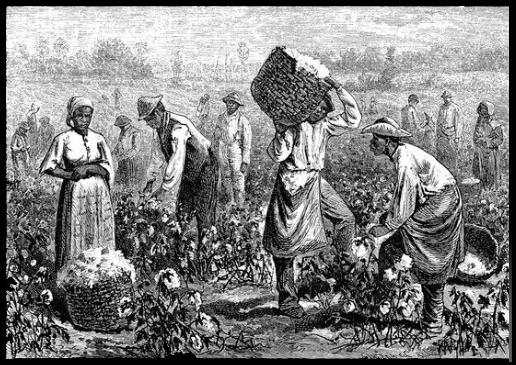
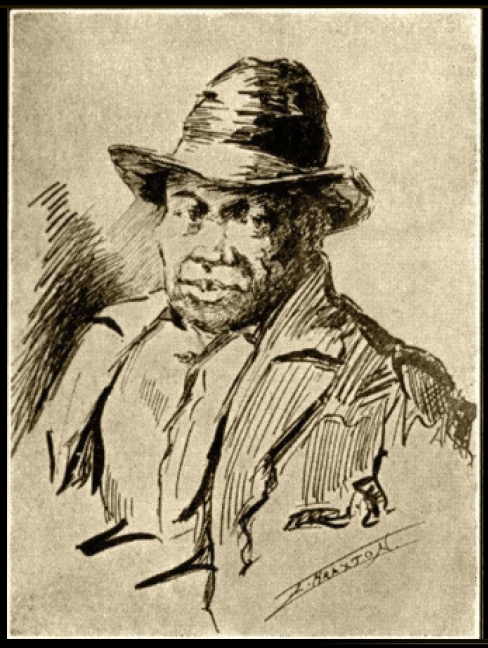
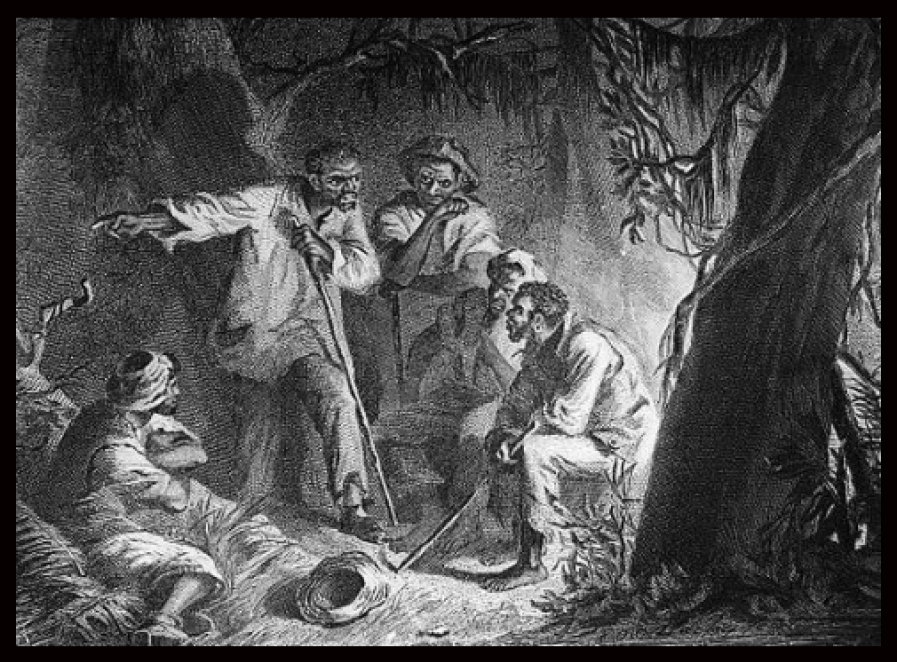

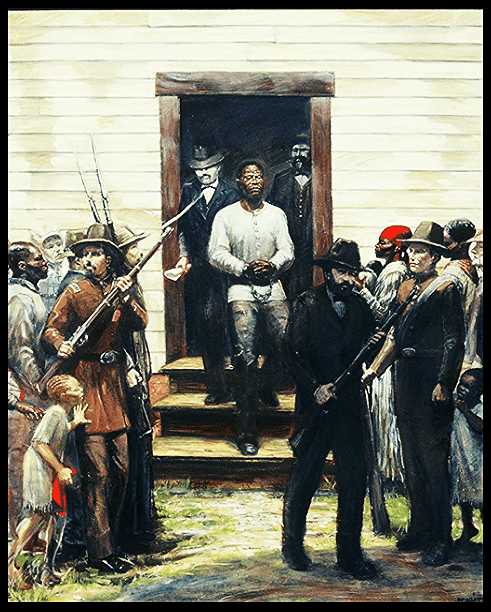

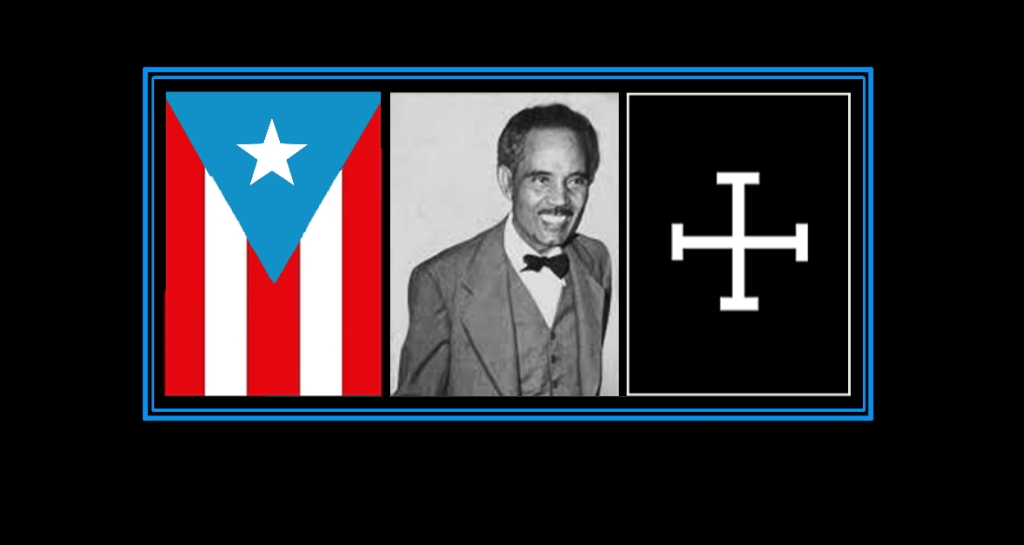
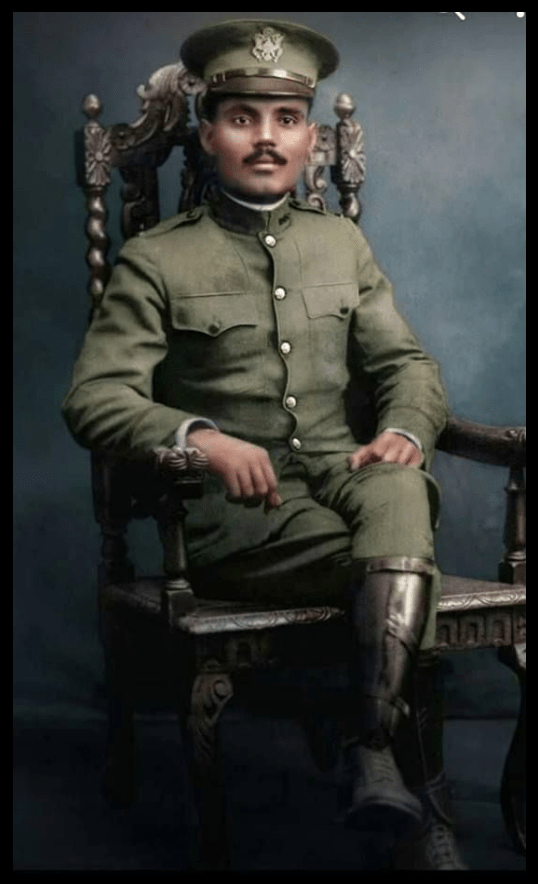
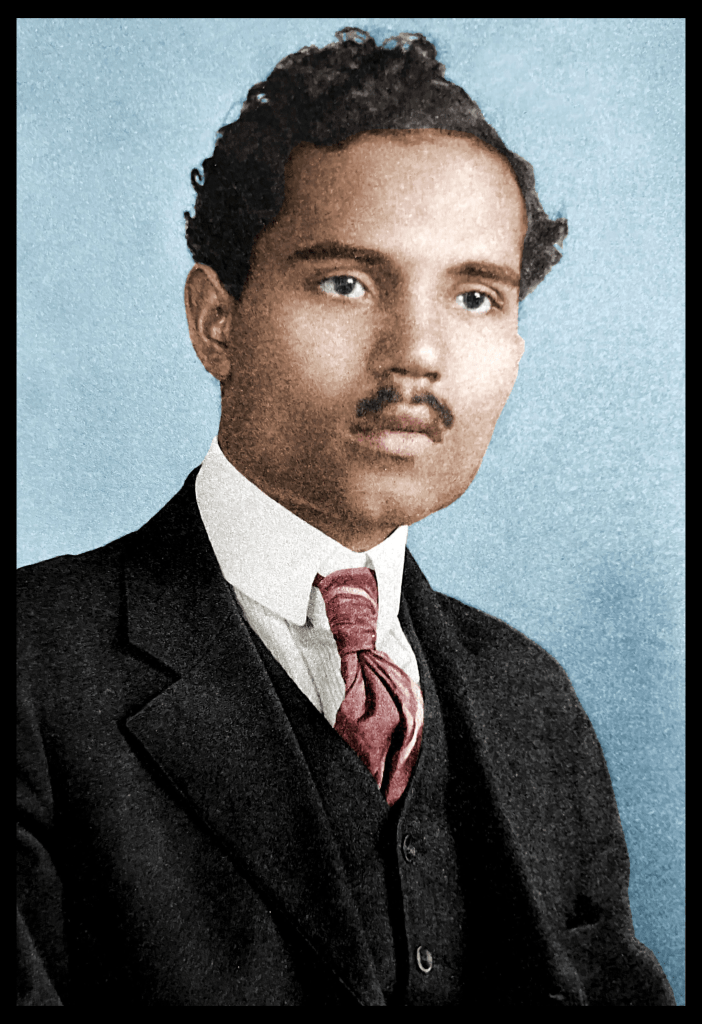
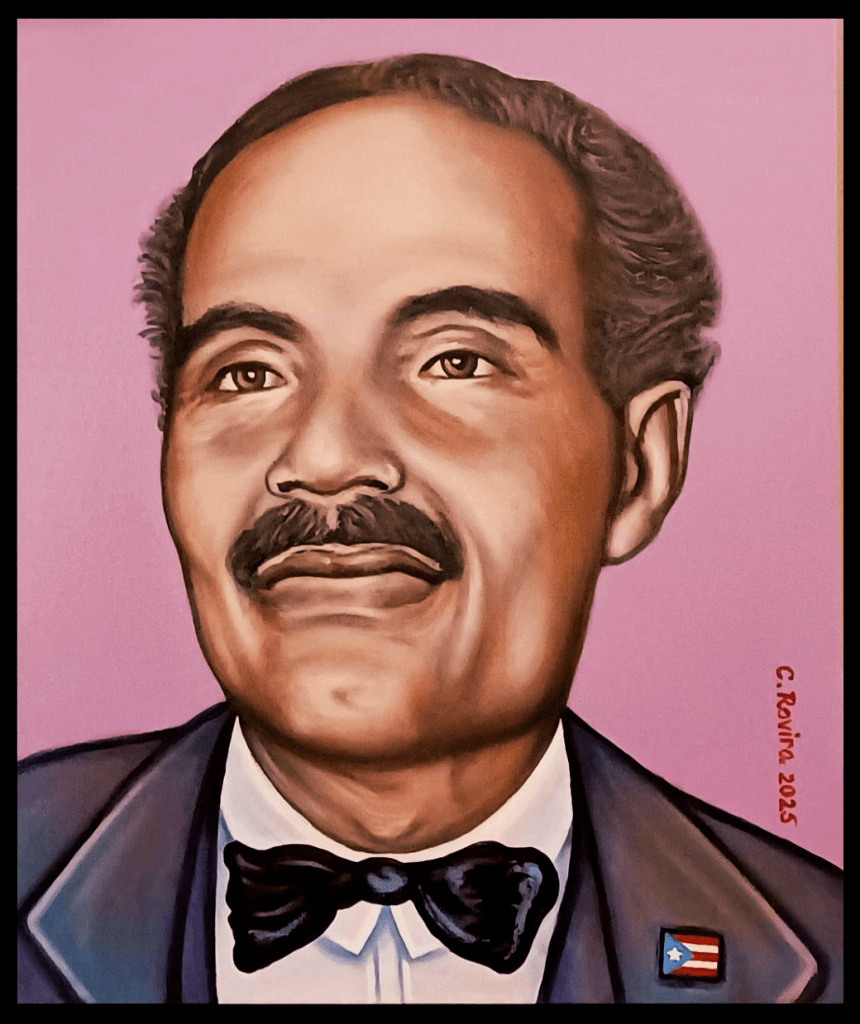

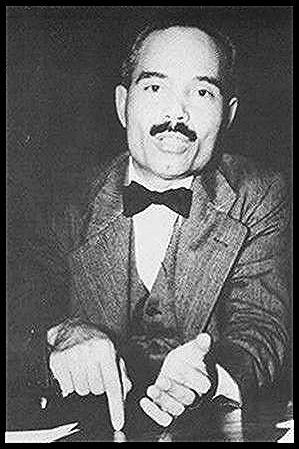


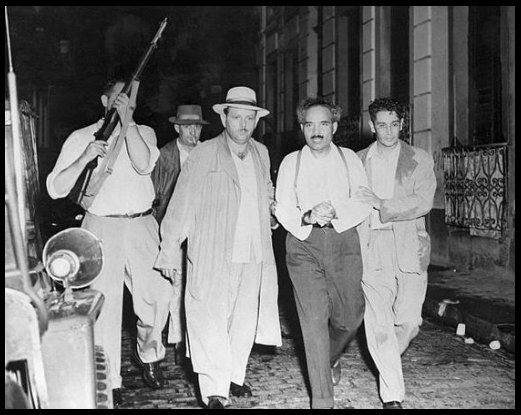
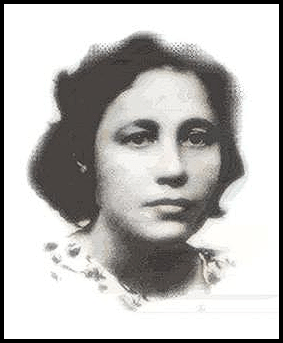


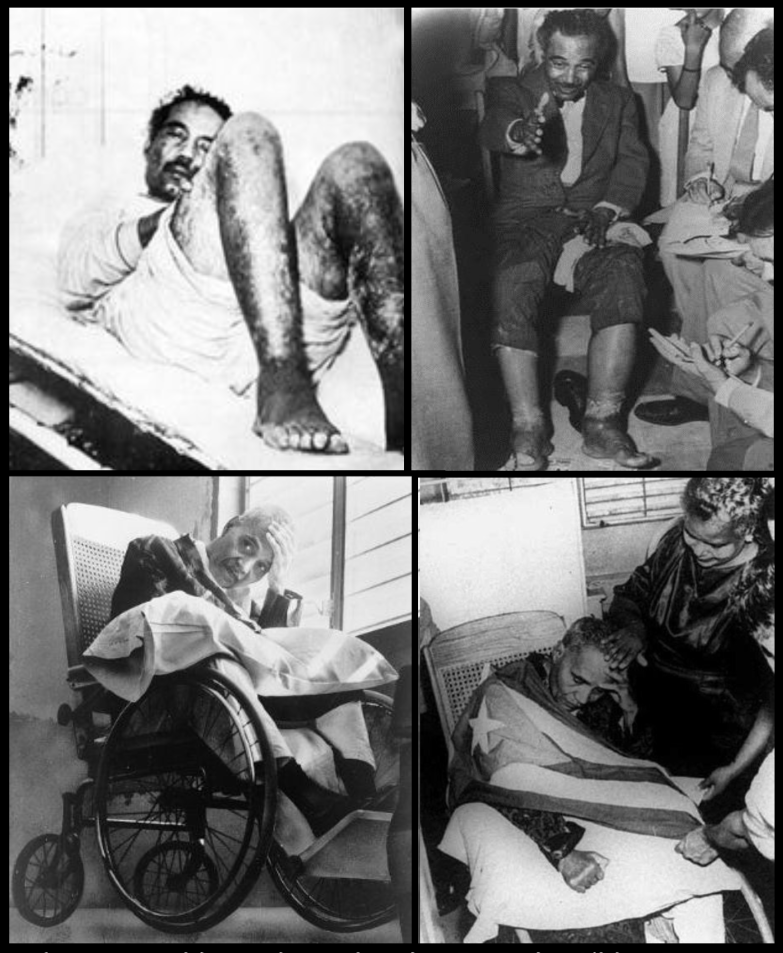
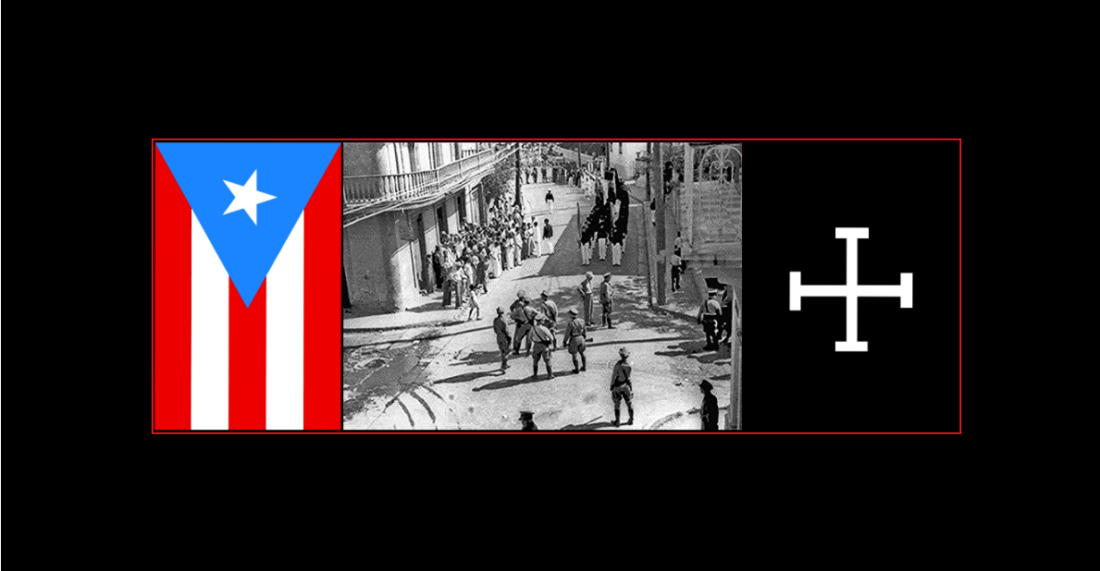
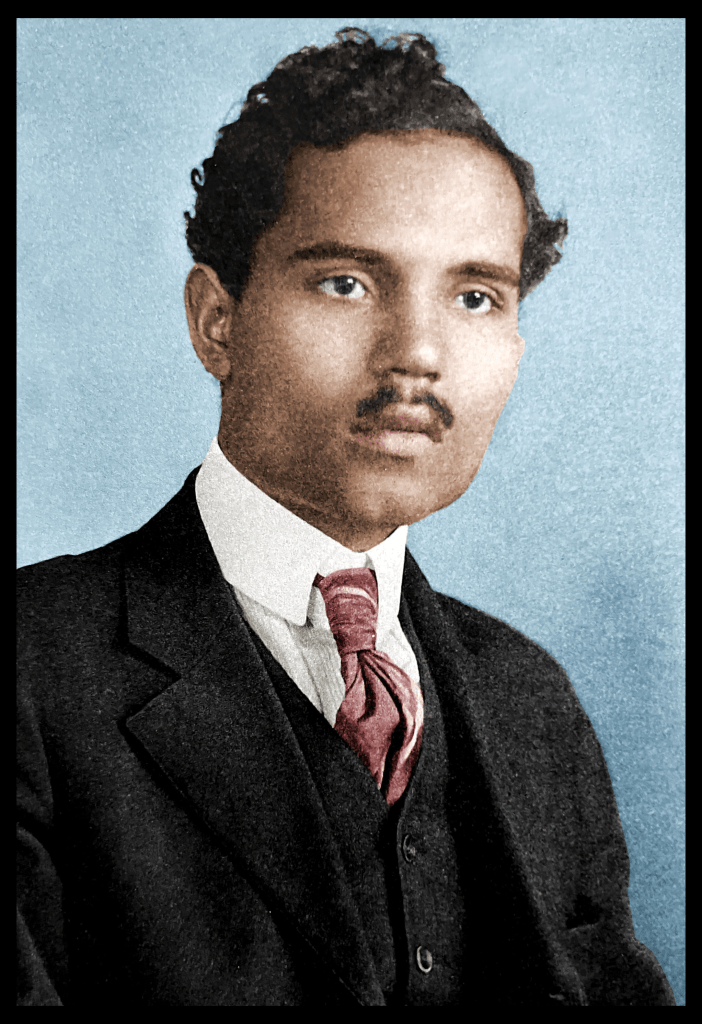
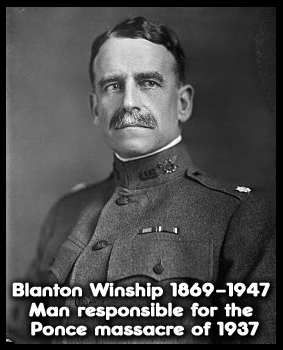


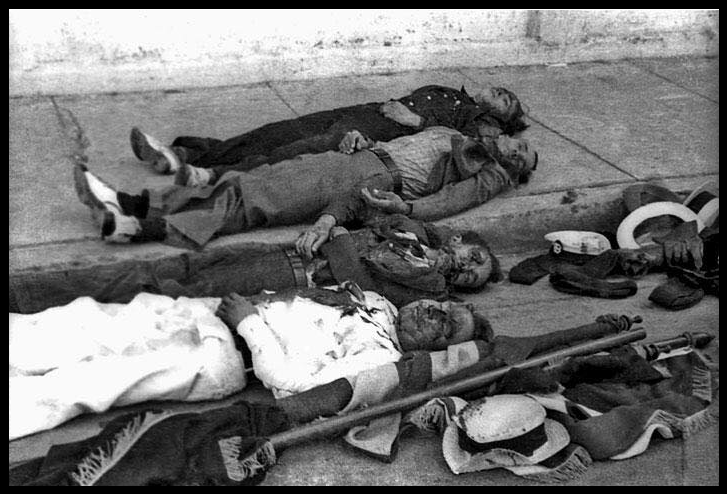
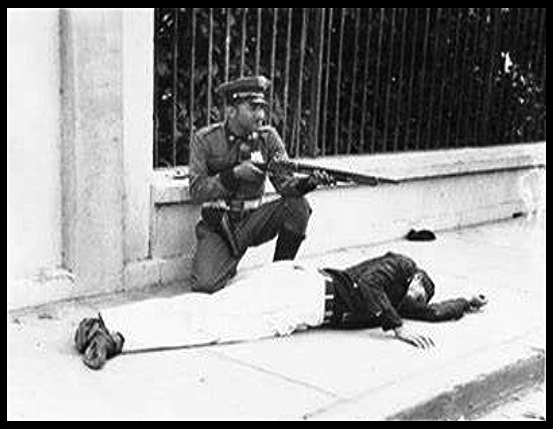

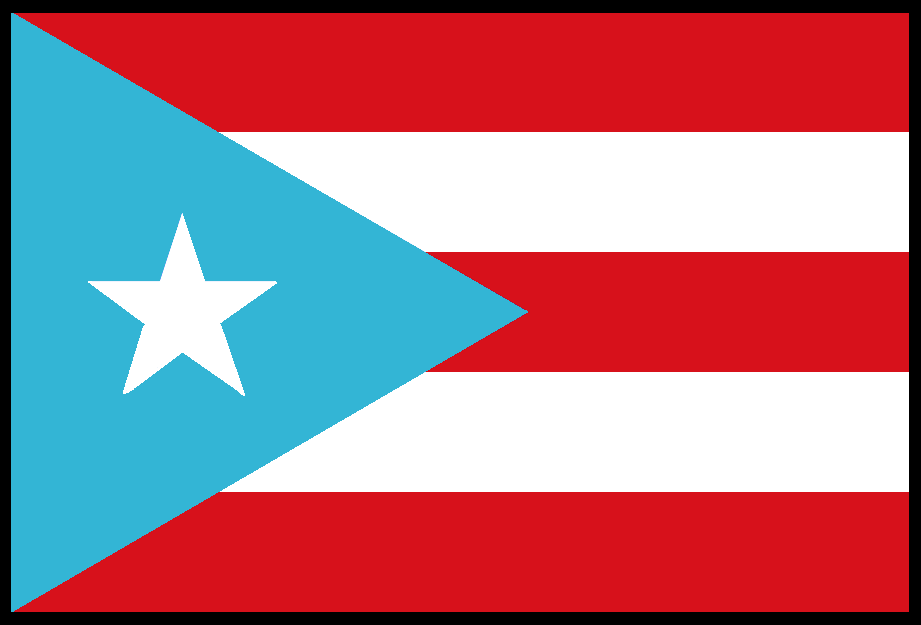
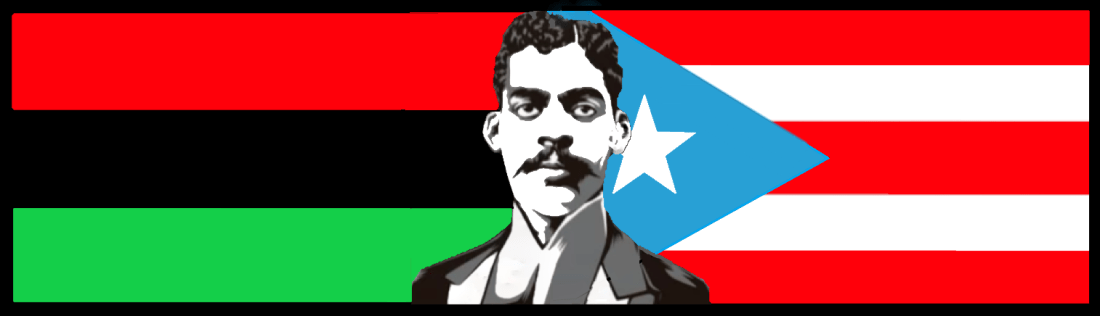

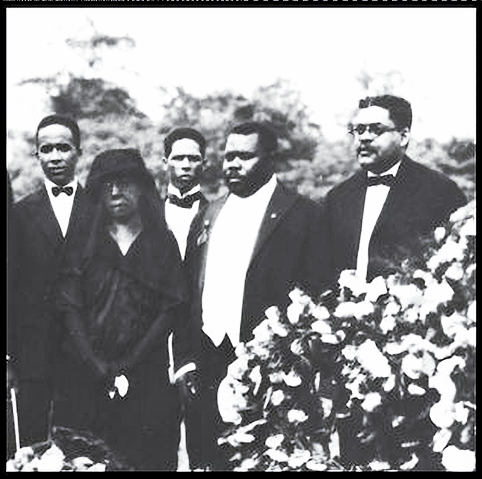


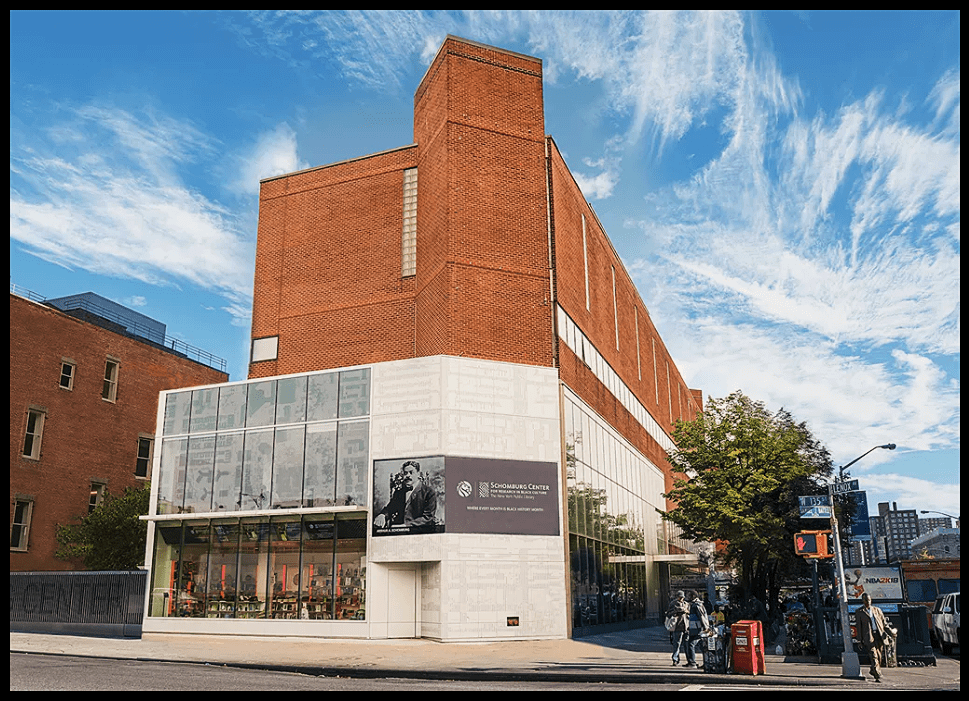
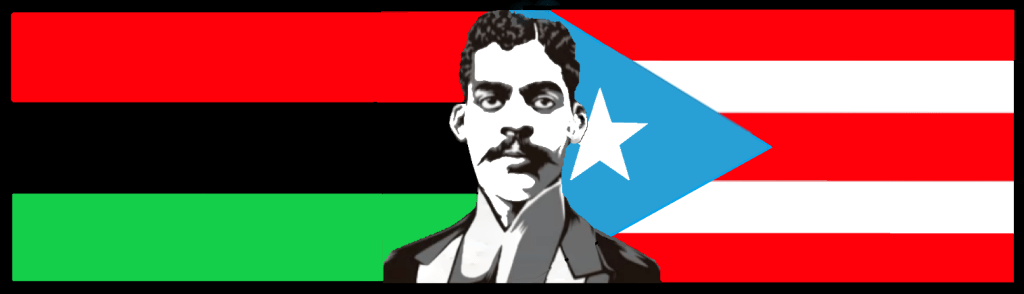
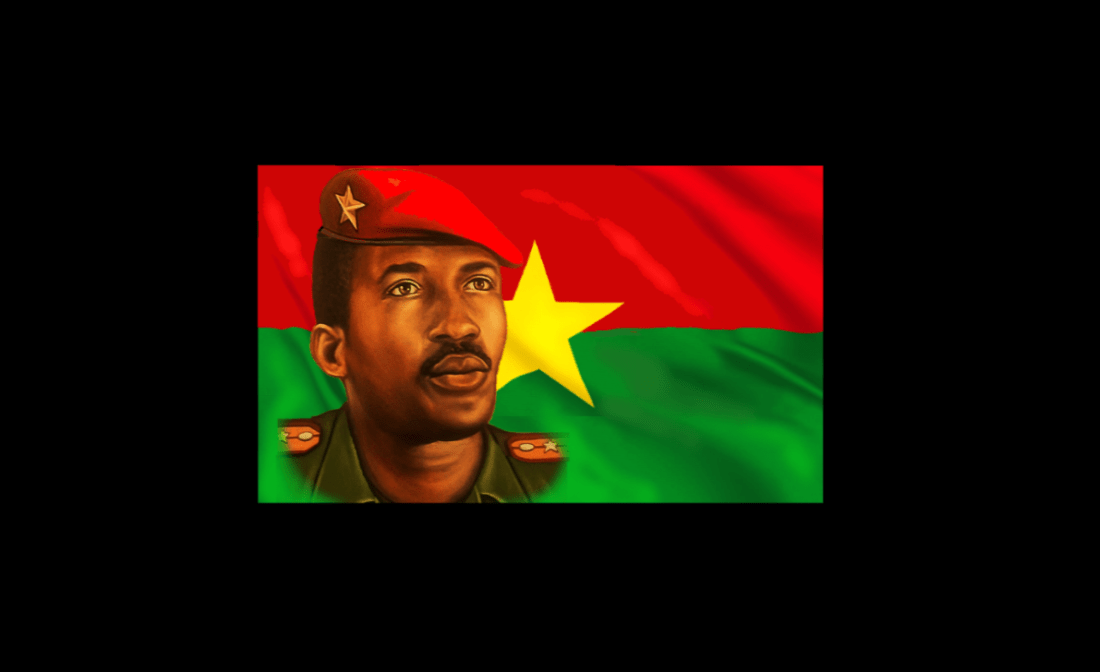
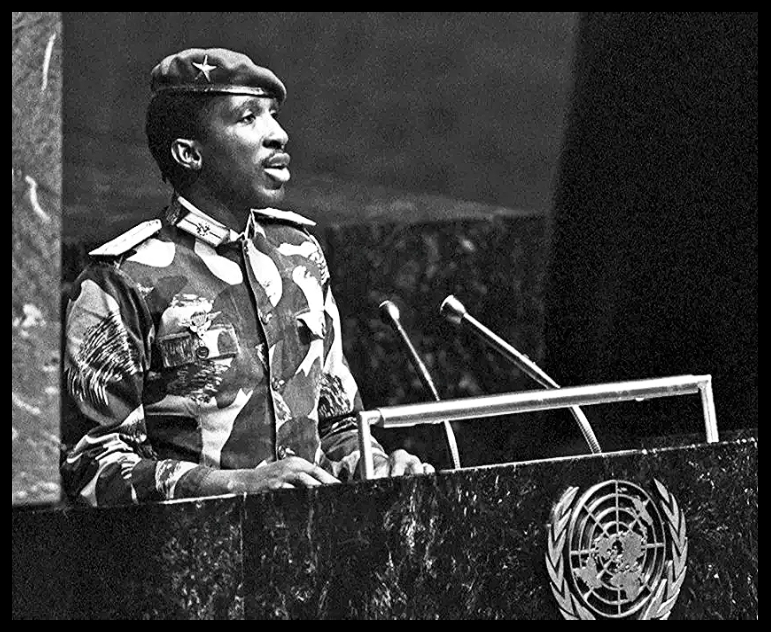

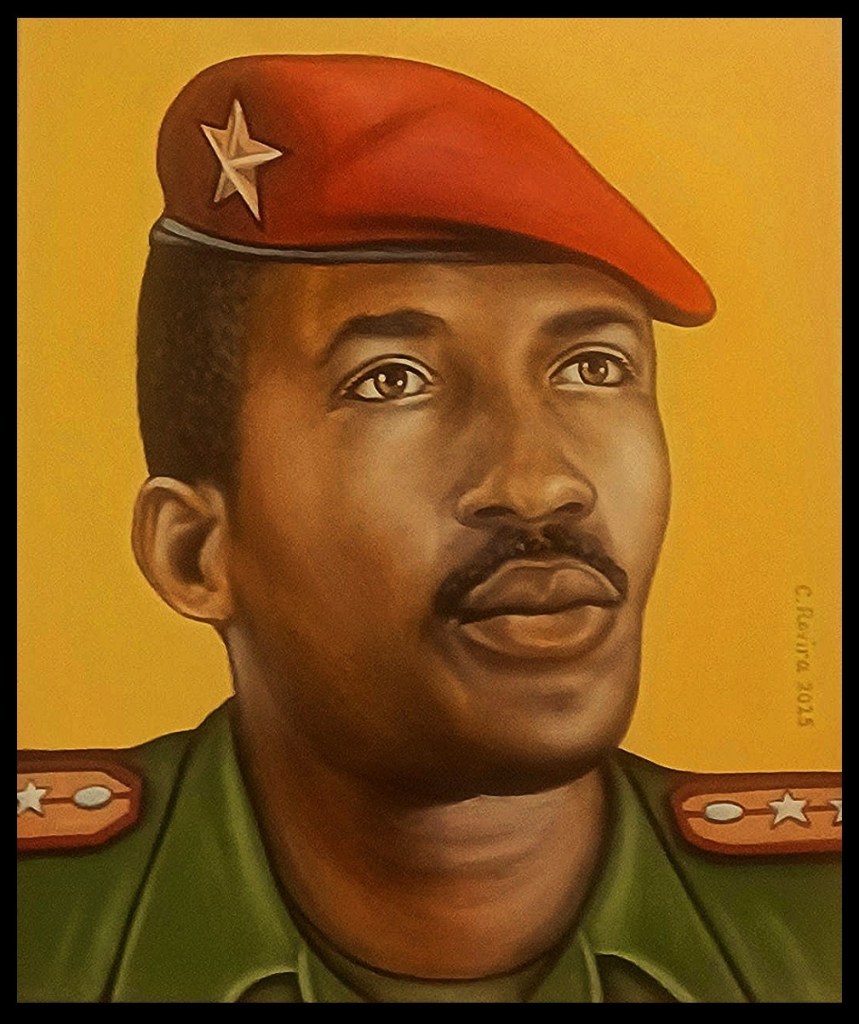

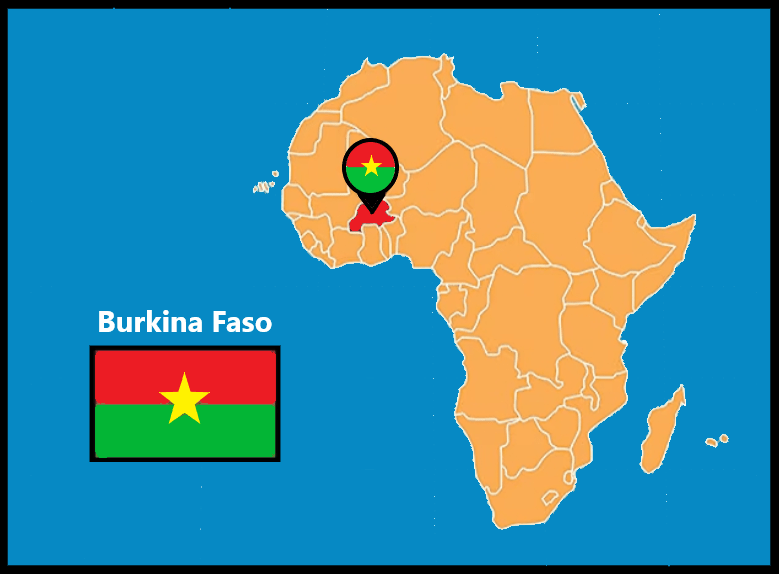
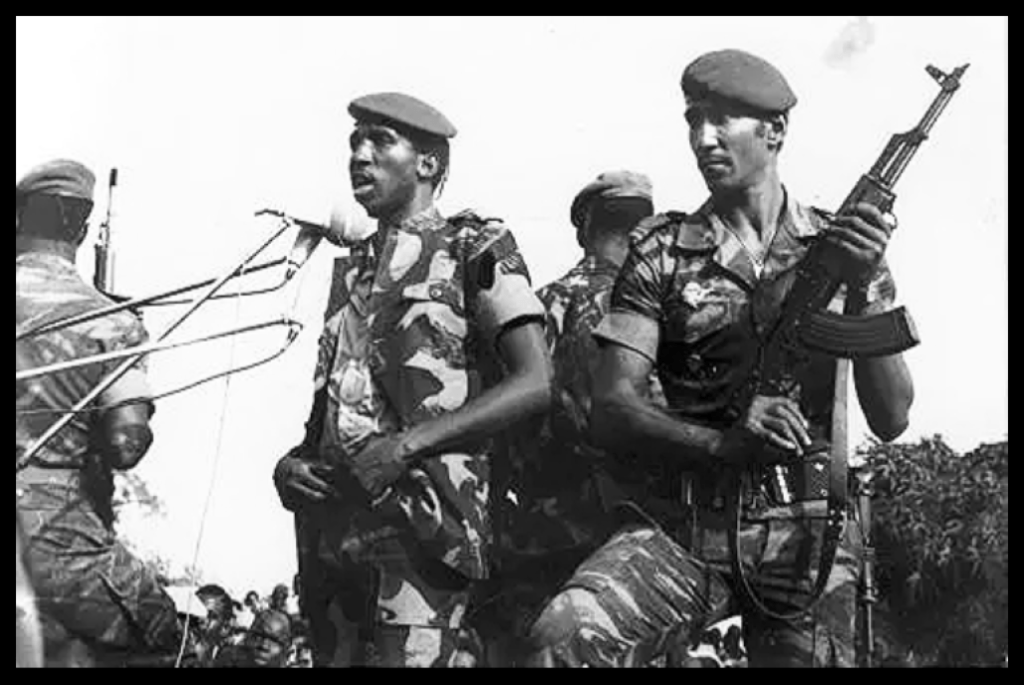
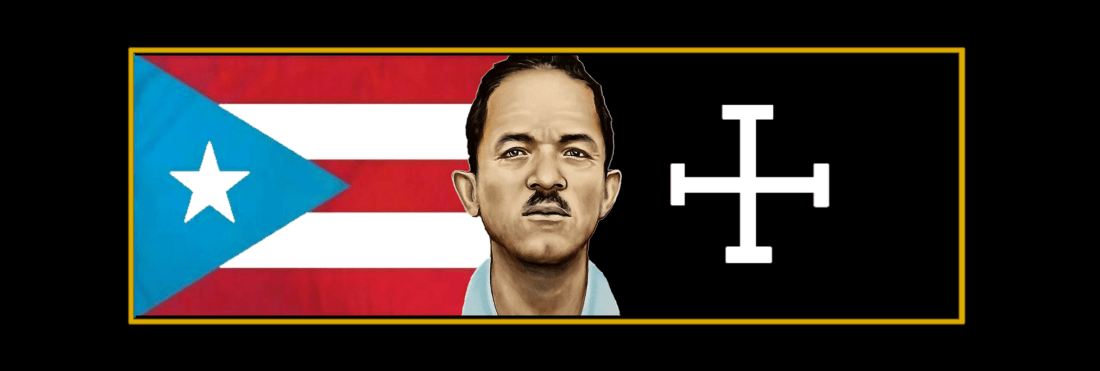

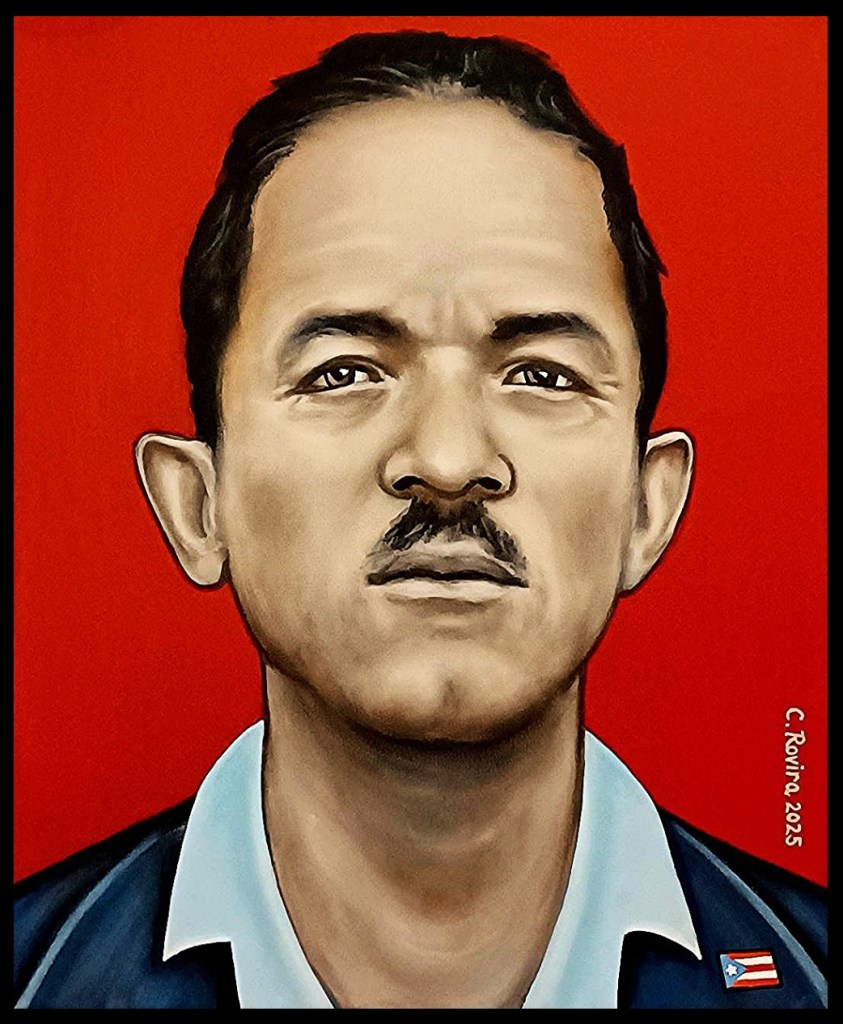
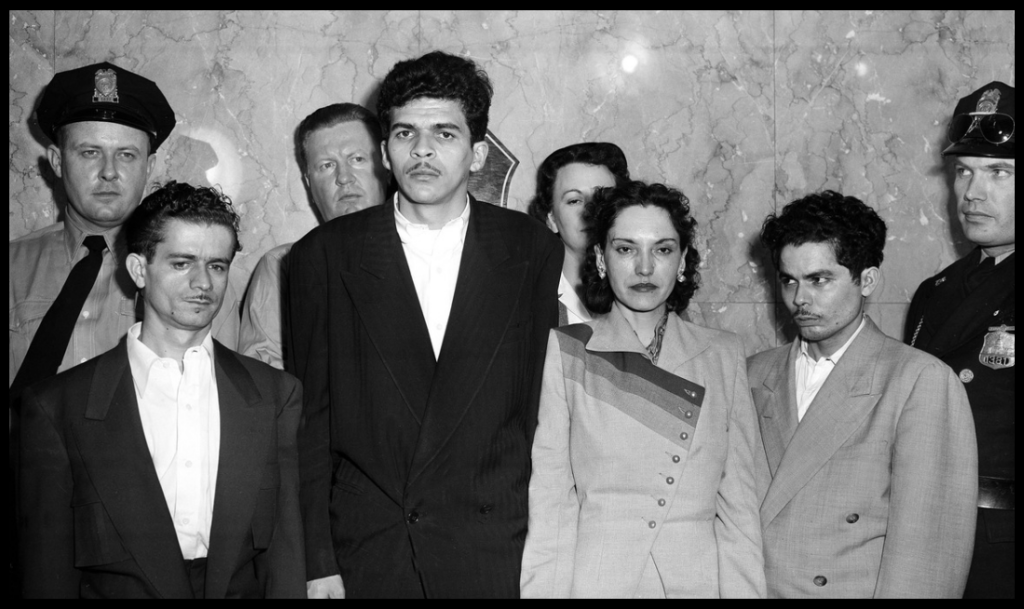
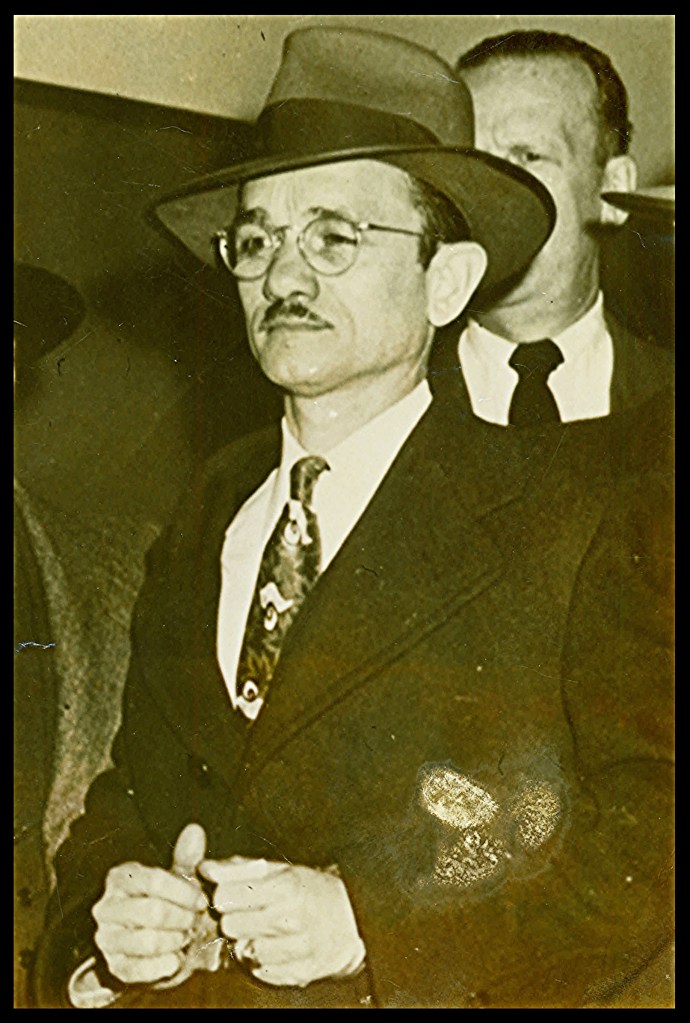
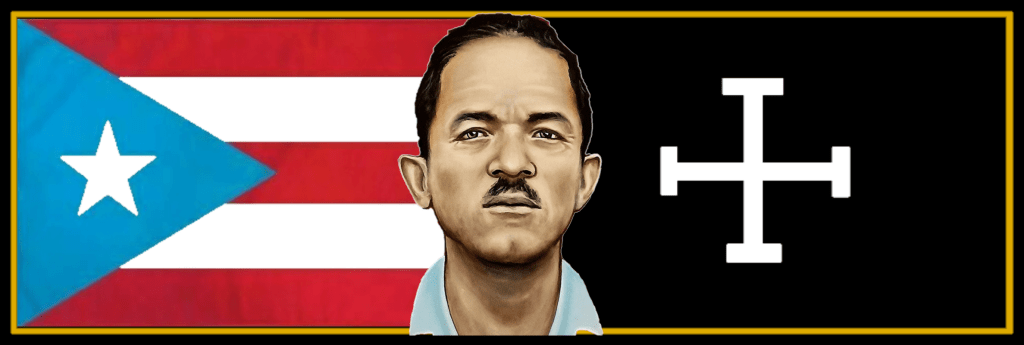

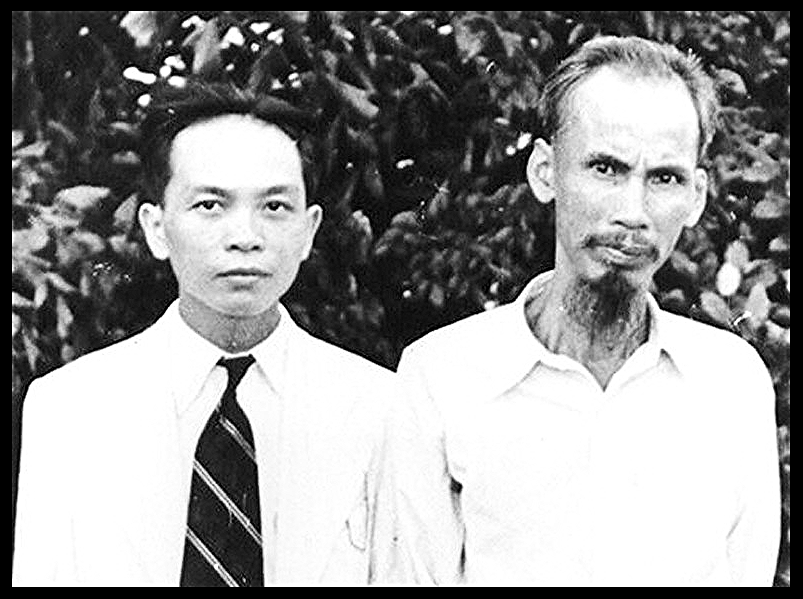
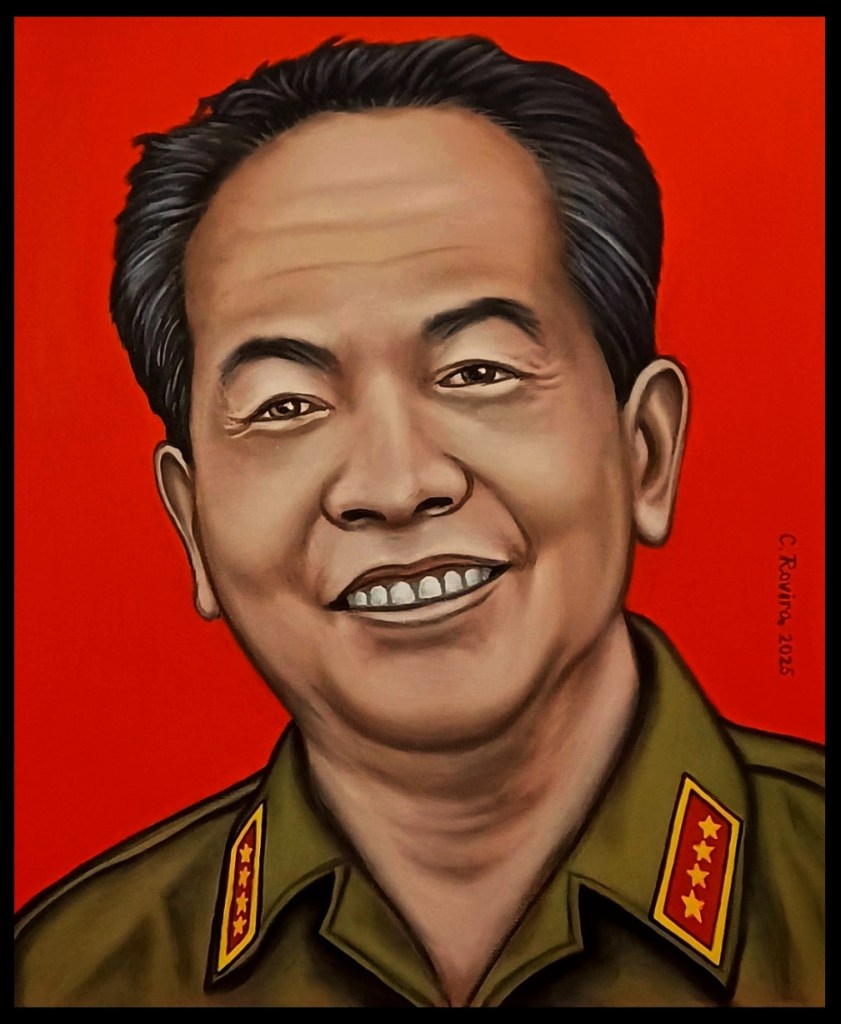
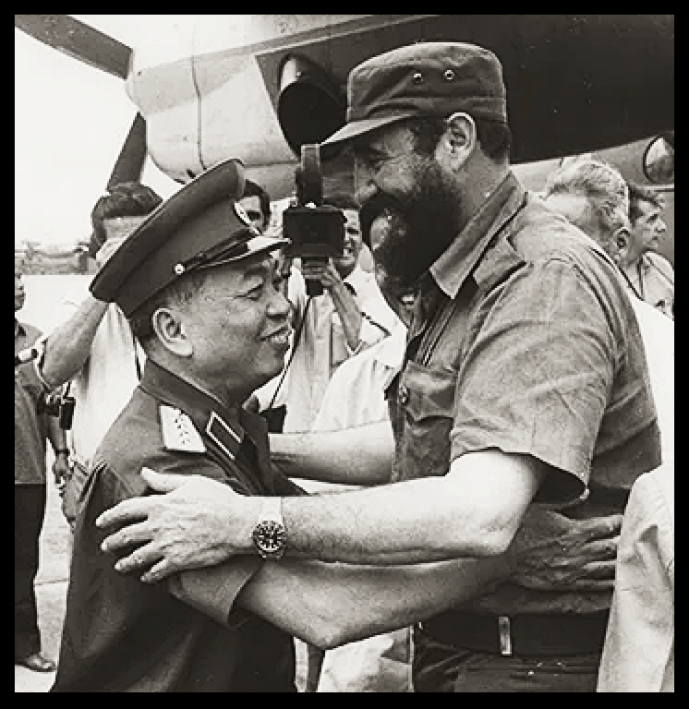
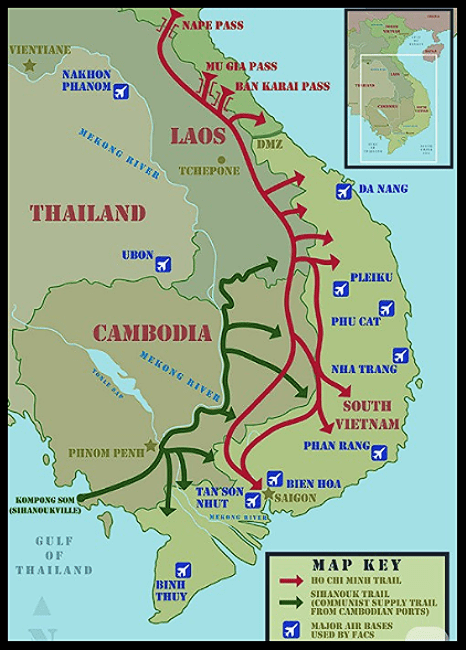
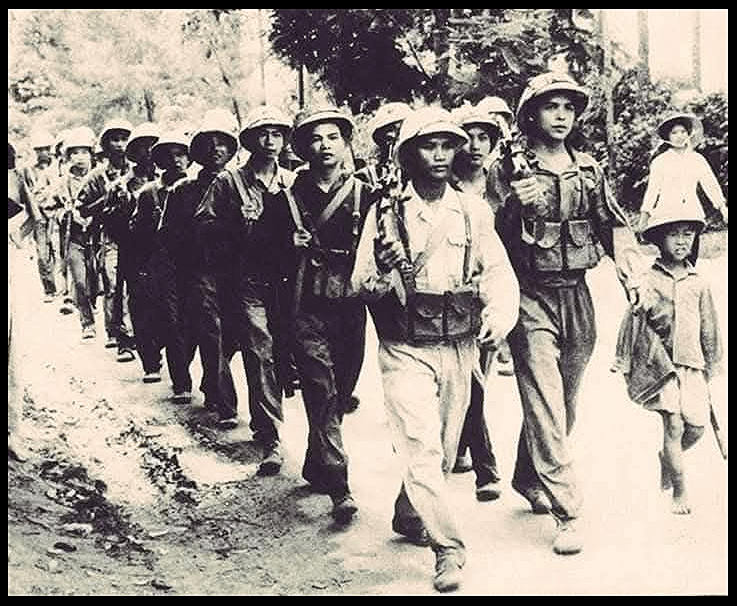
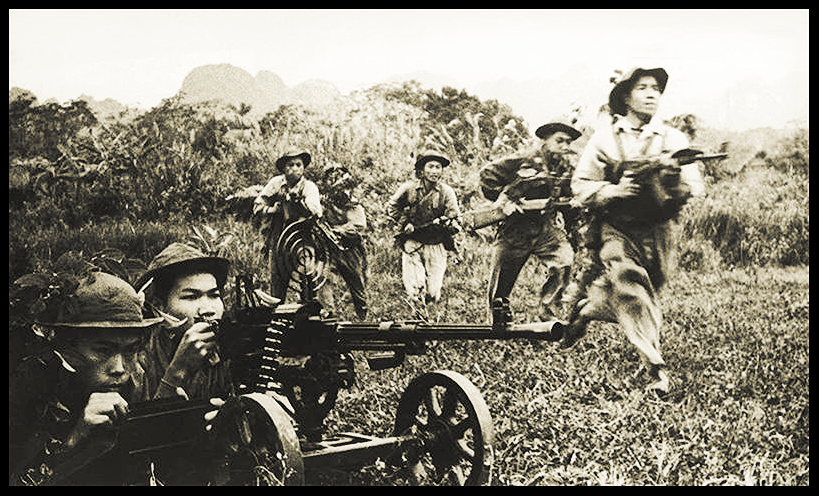
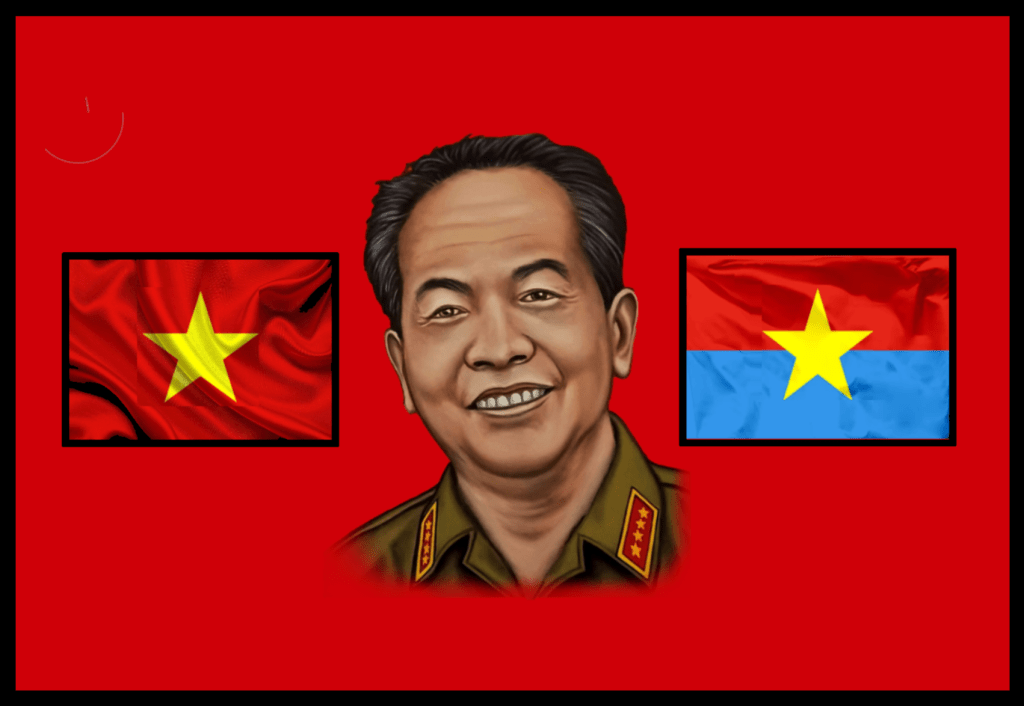
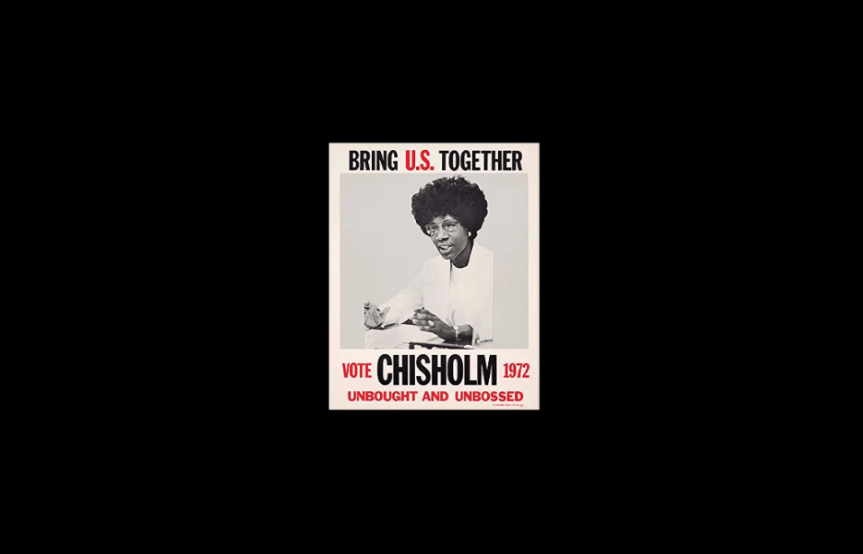

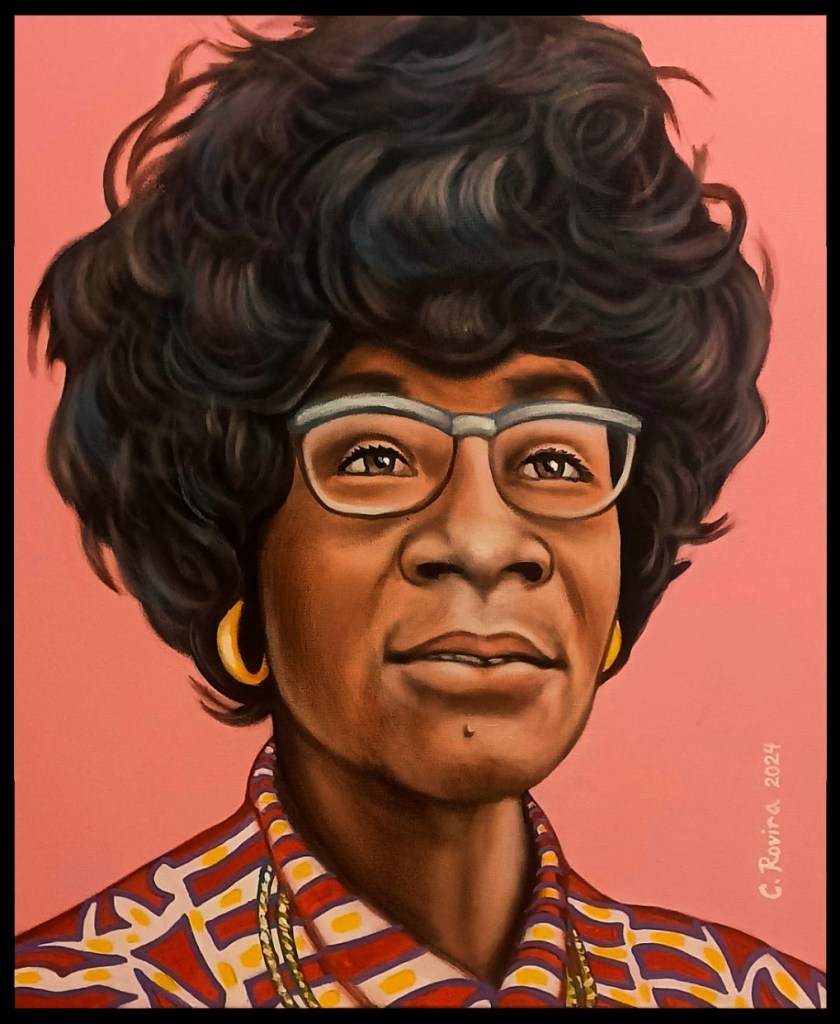
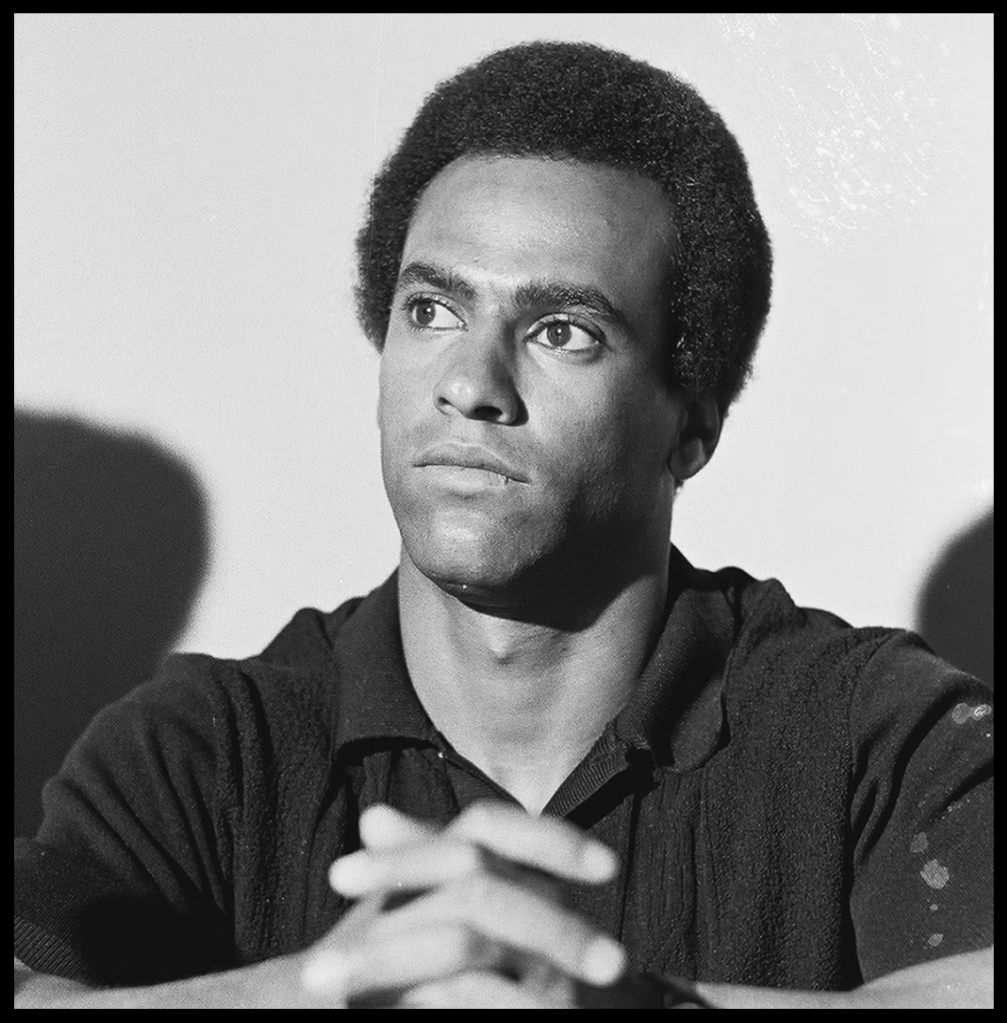
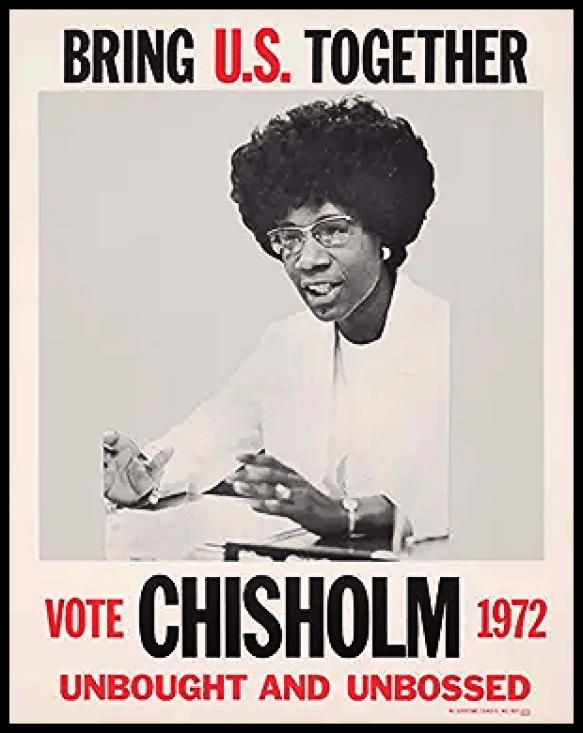

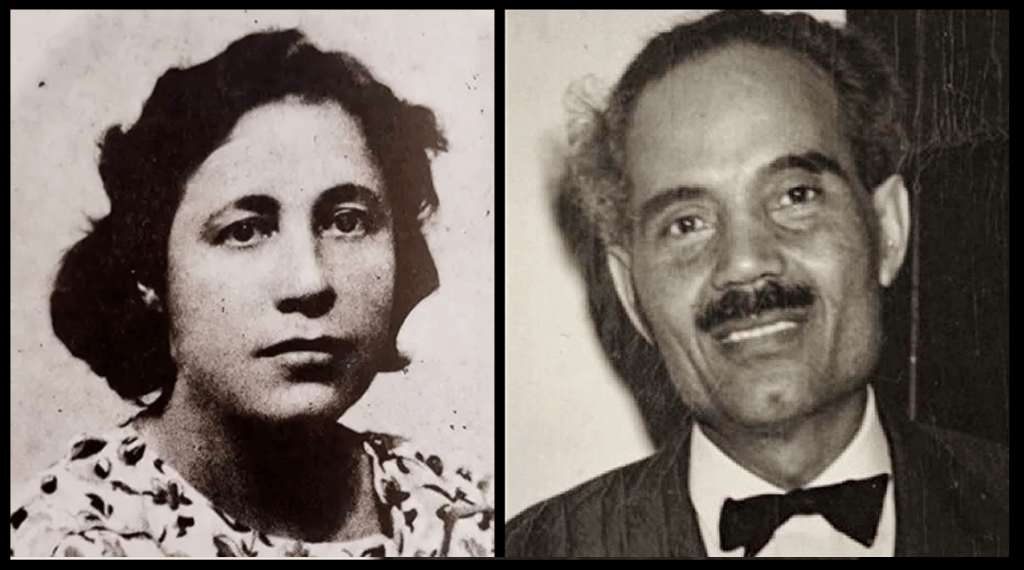
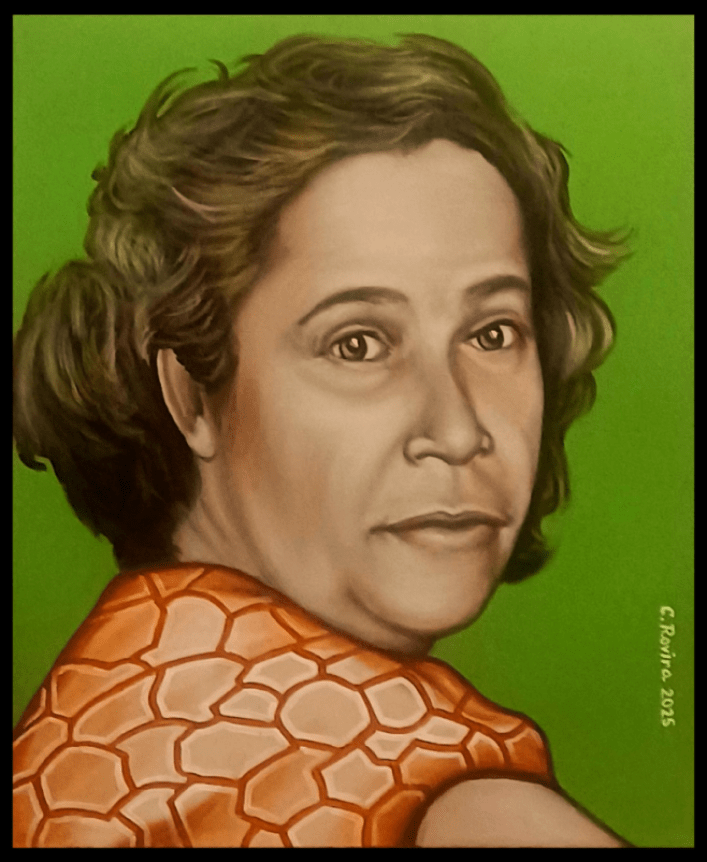
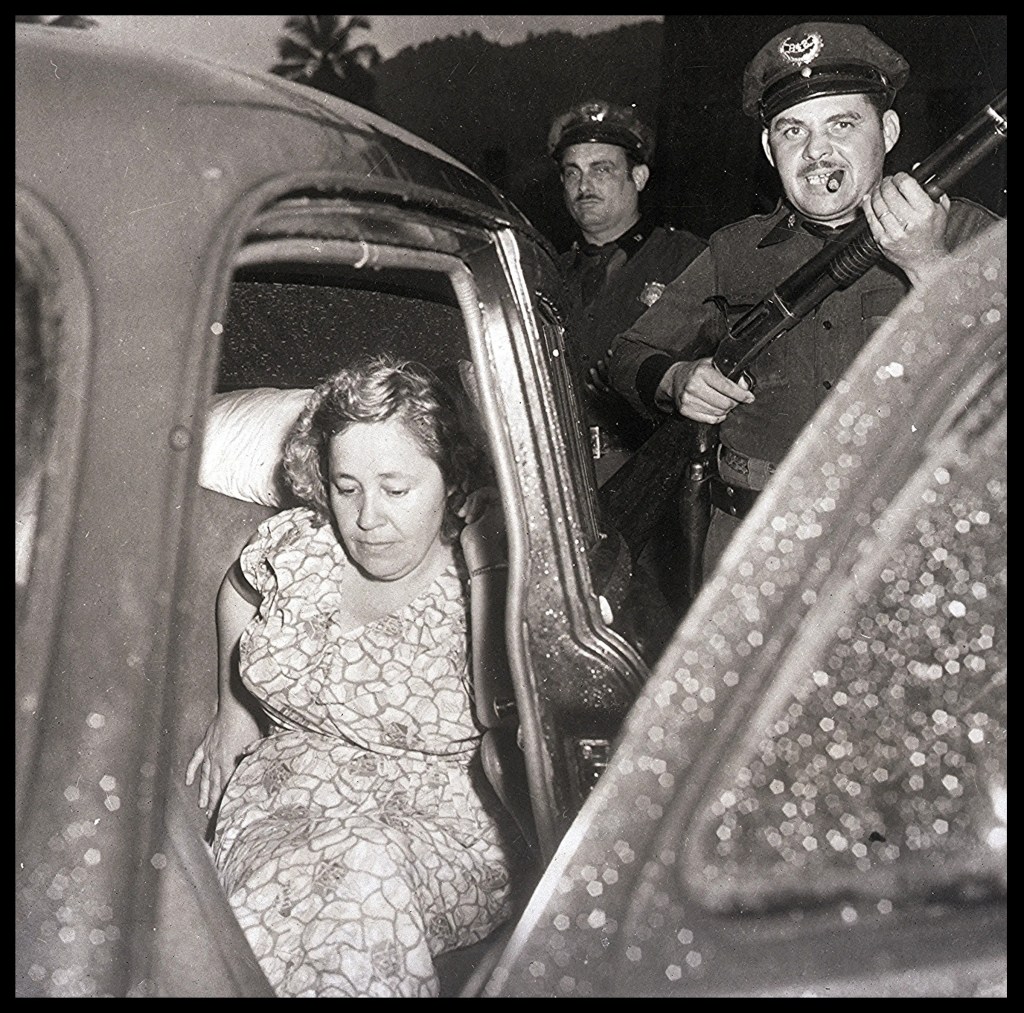
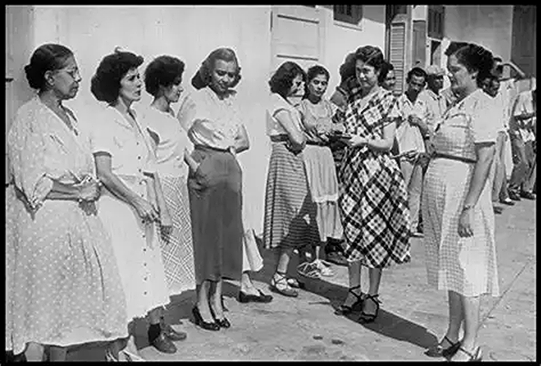
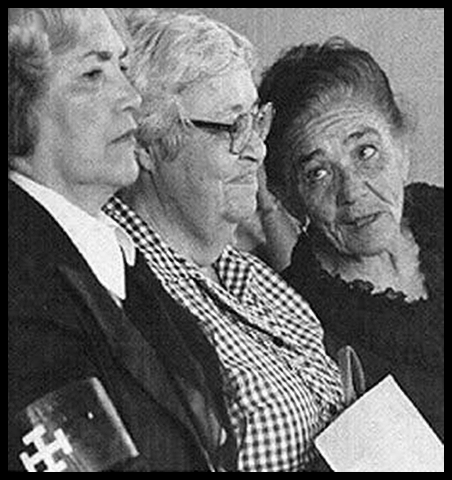
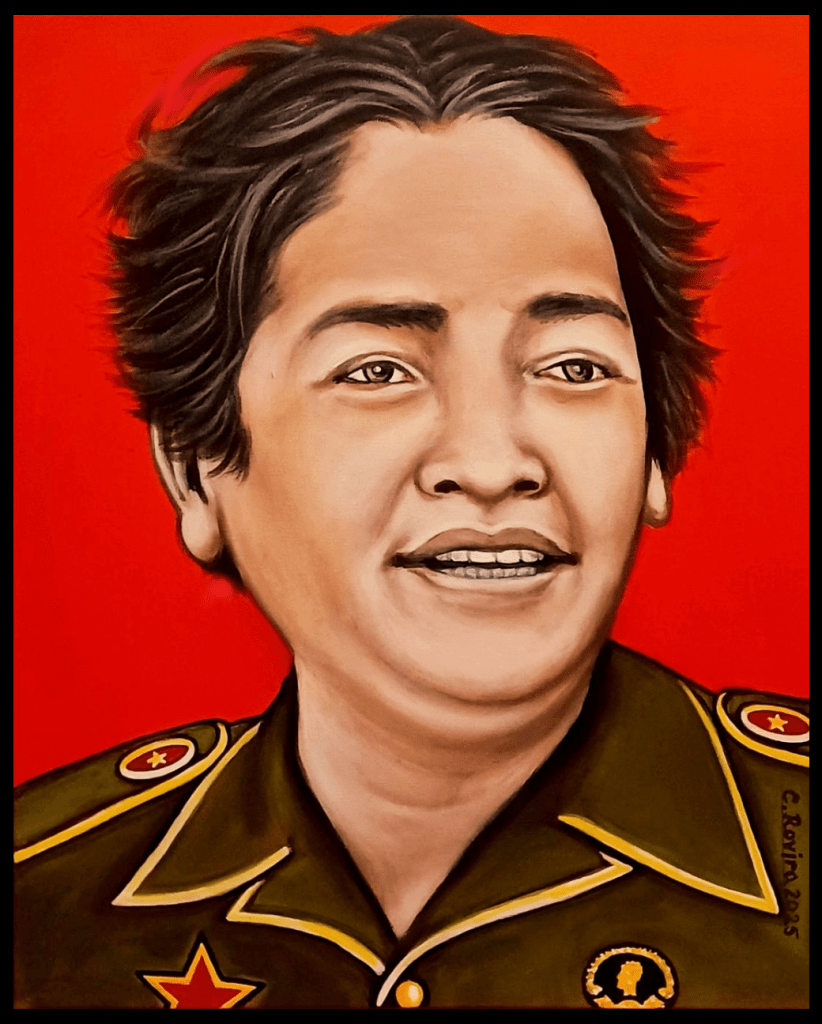


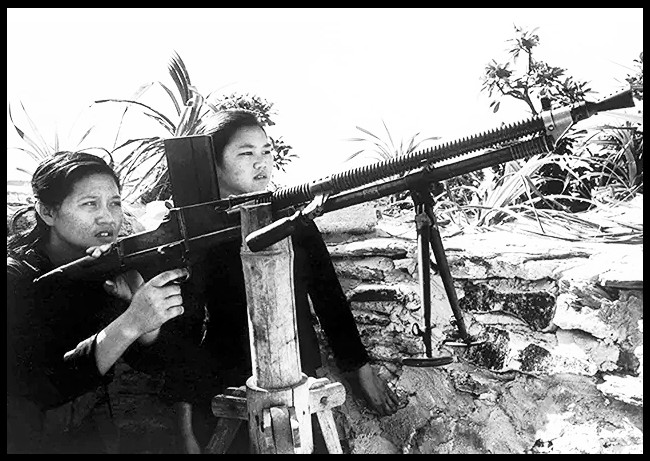

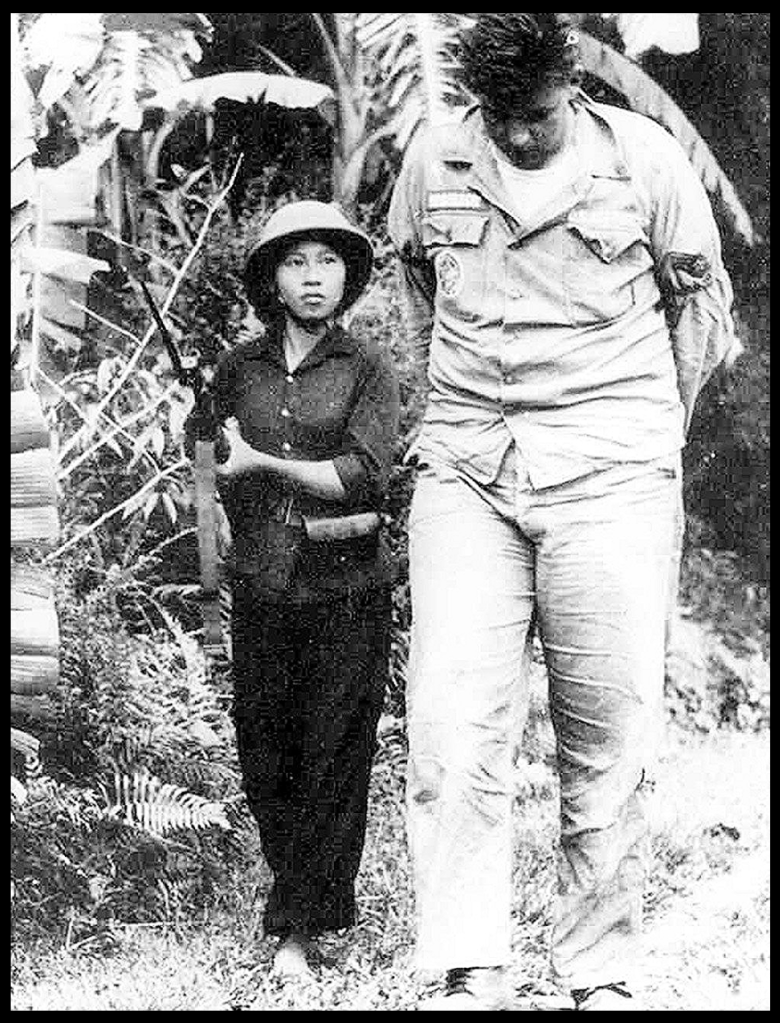
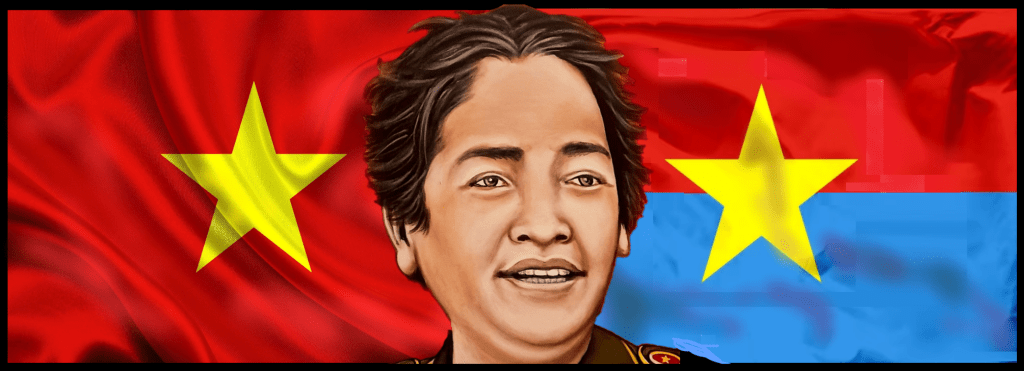


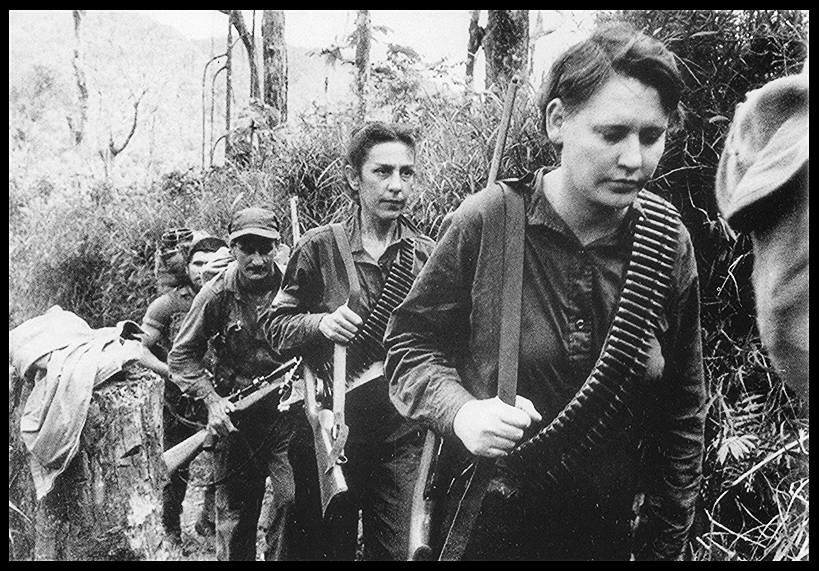
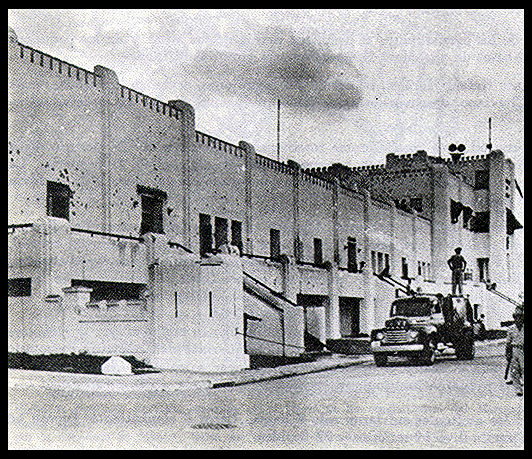
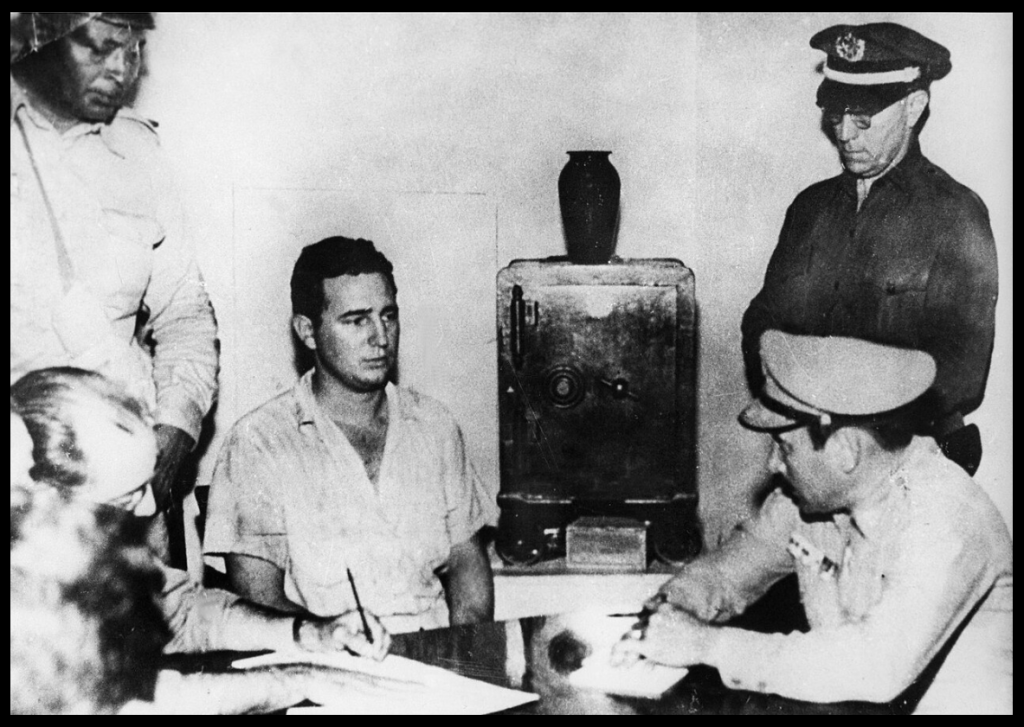
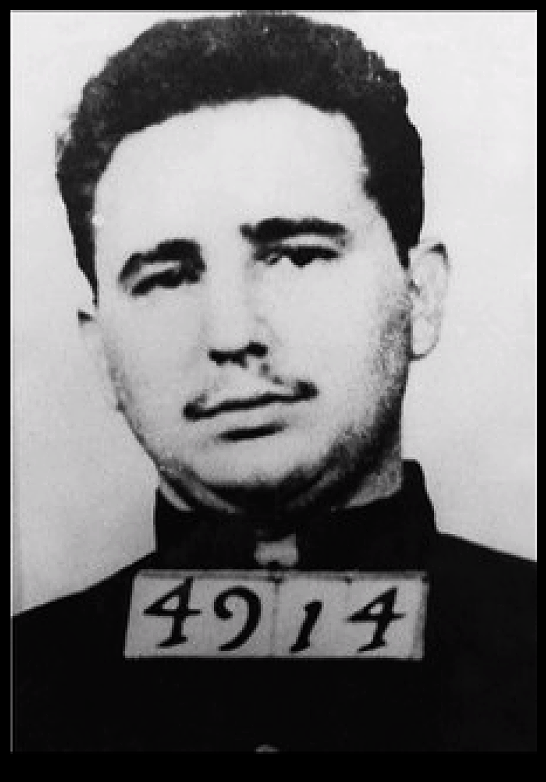

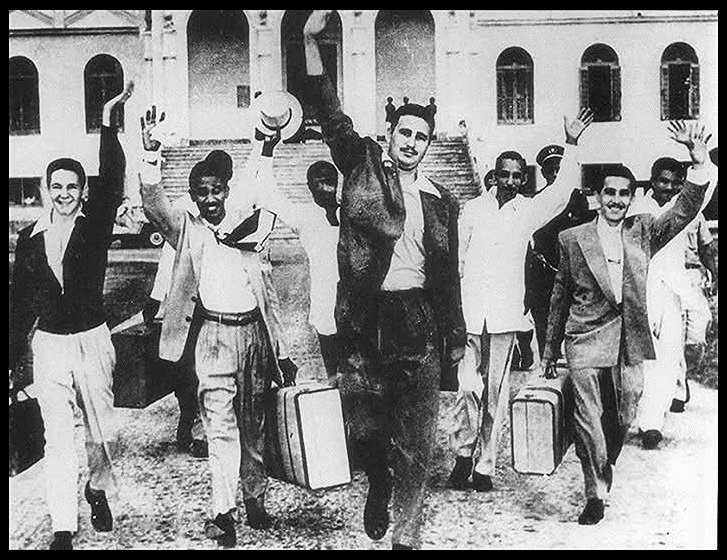

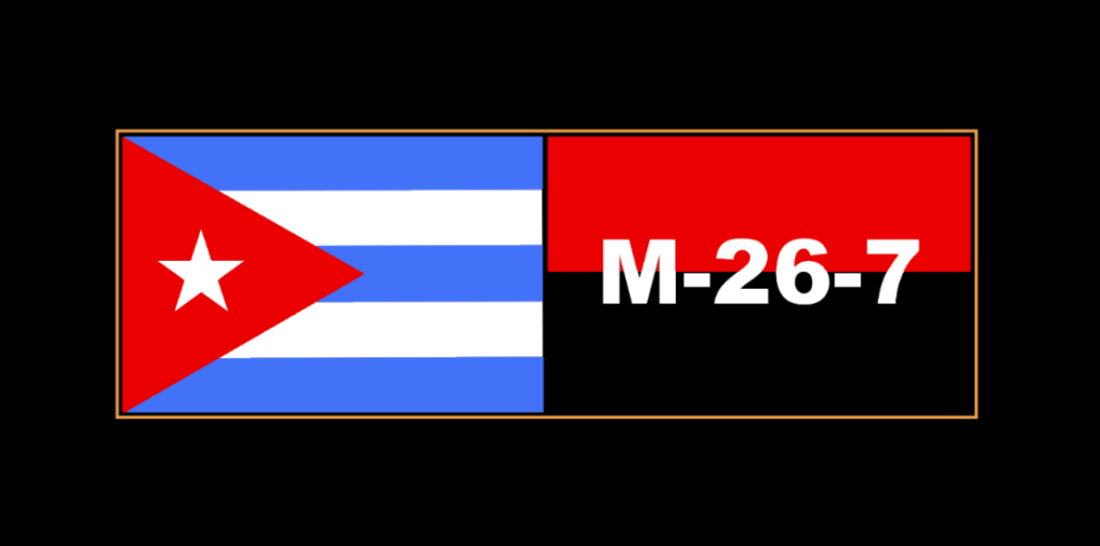


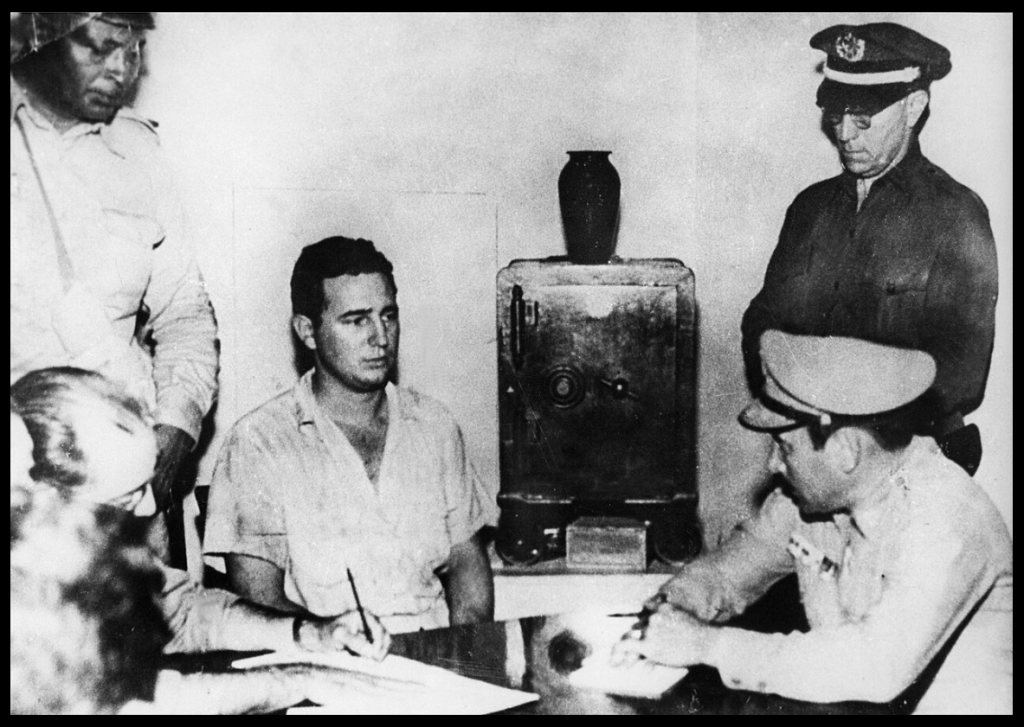
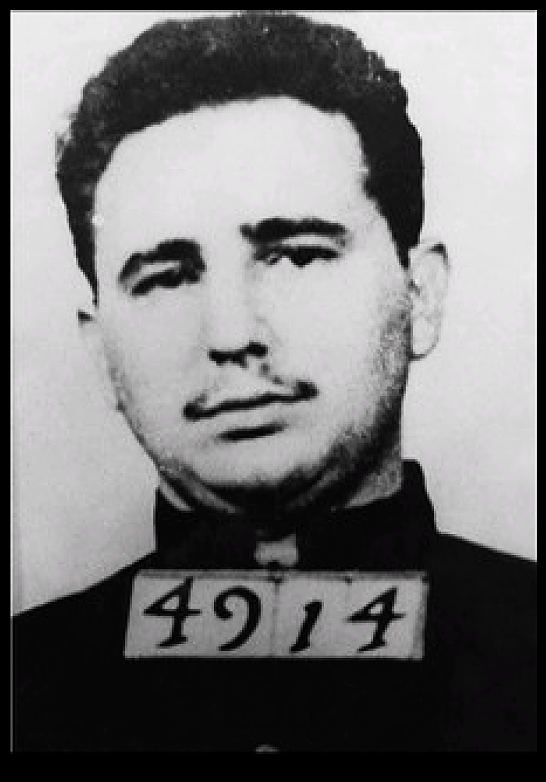
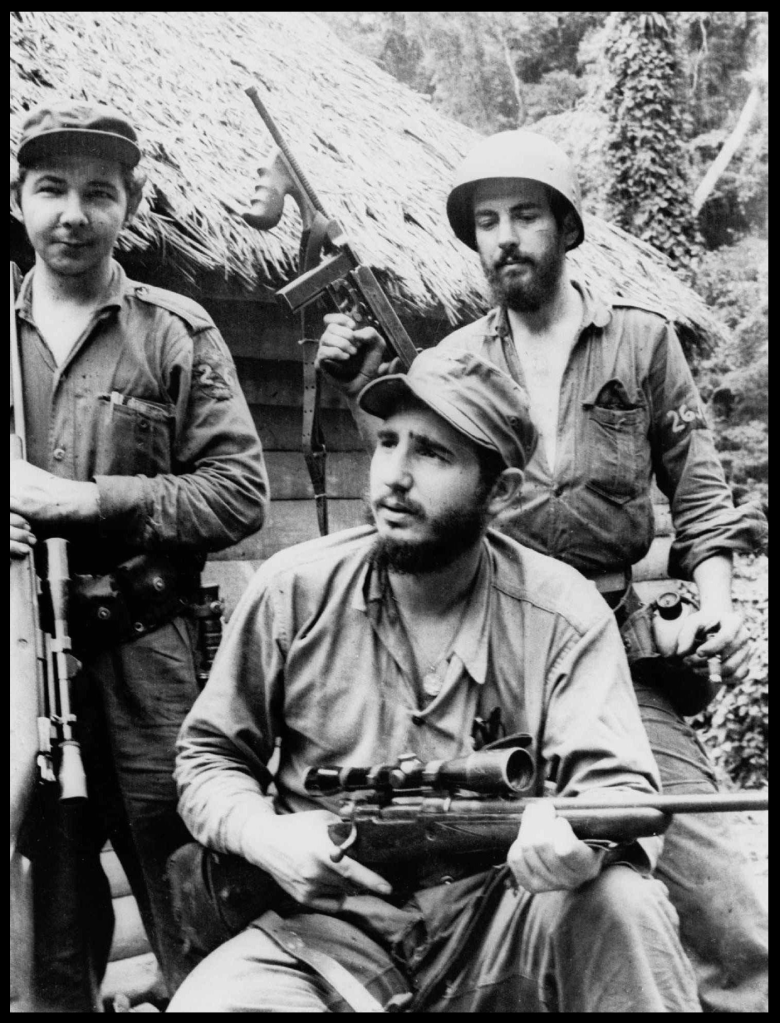
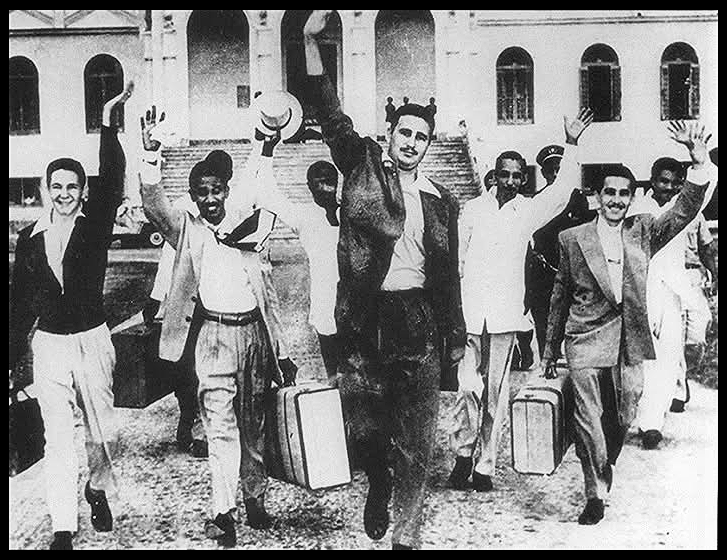
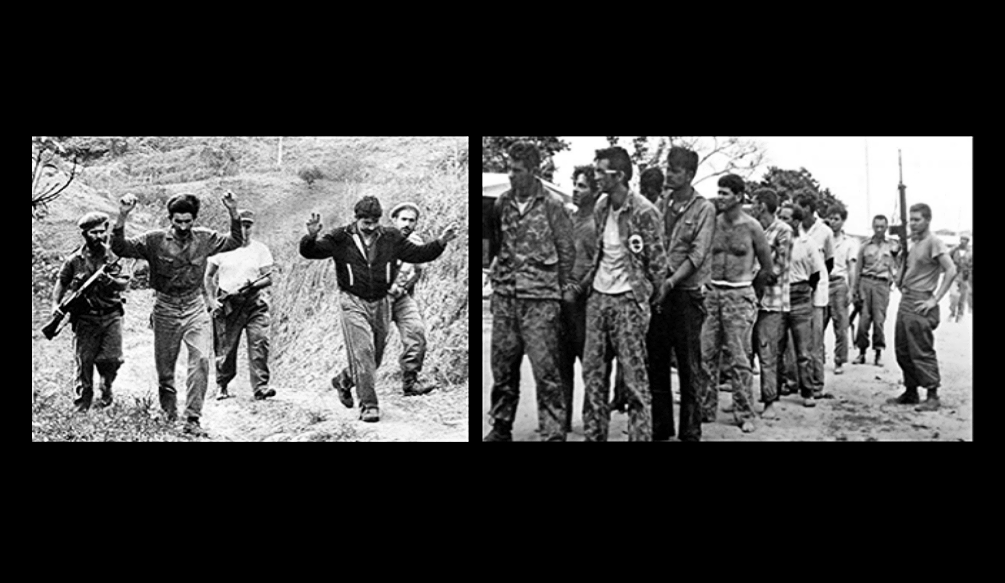


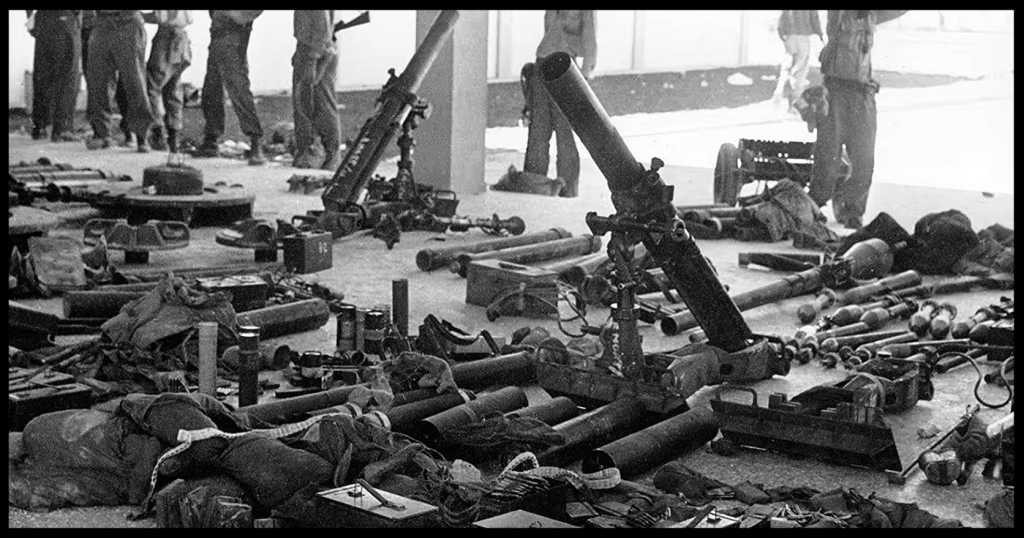
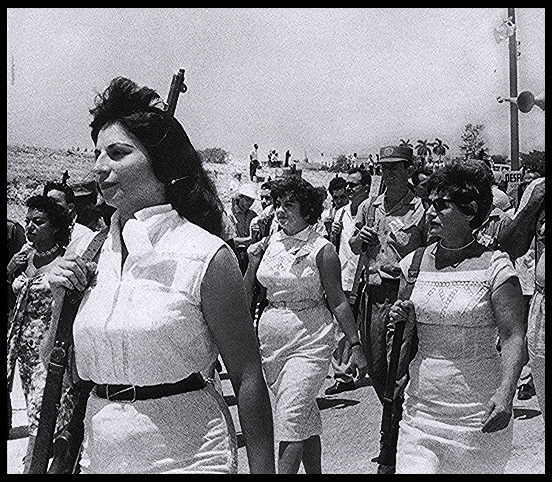

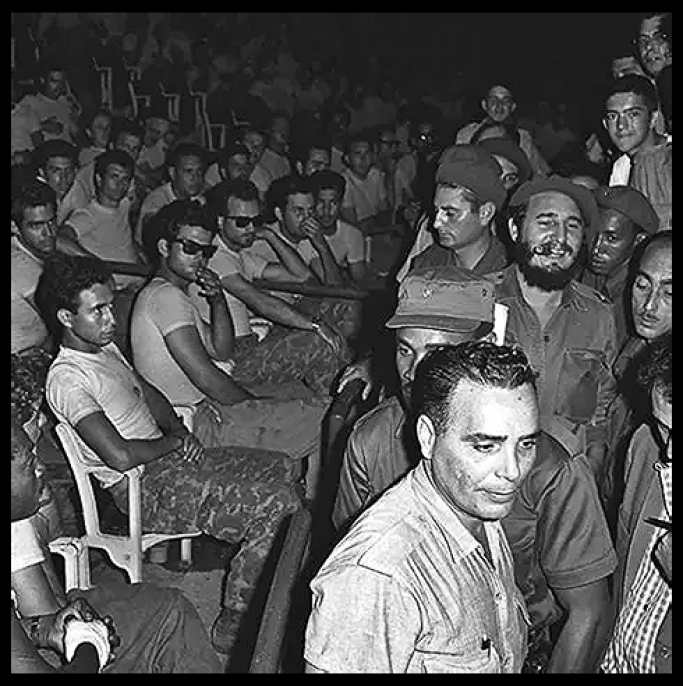
 carlitoboricua